

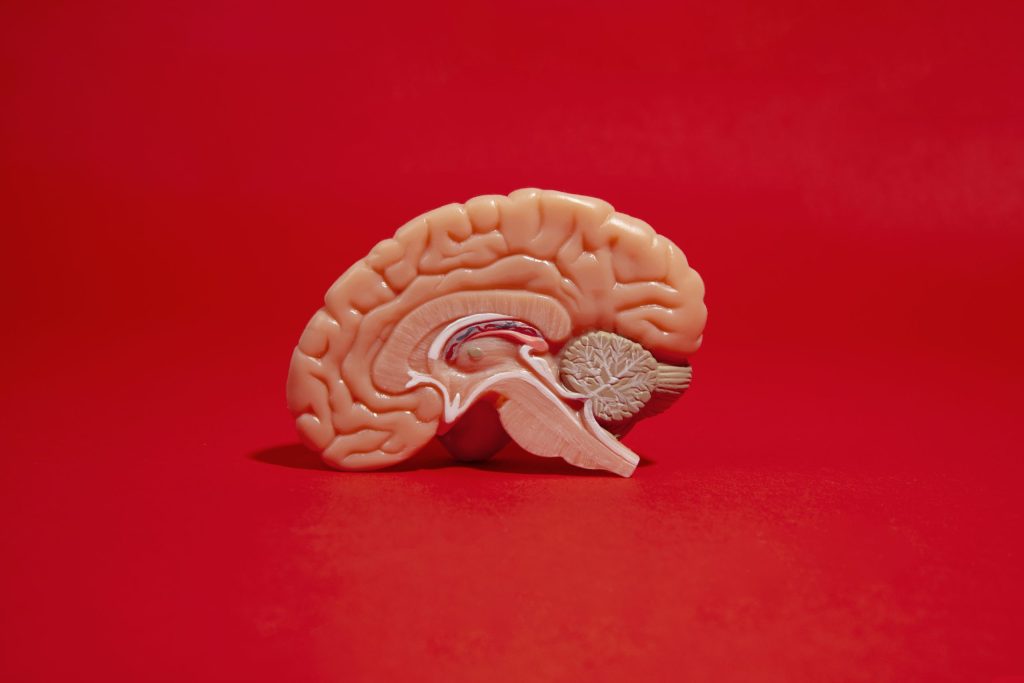
HIV enters the central nervous system (CNS) early in infection and hides in infected brain cells that are very difficult to eliminate and contribute to a spectrum of HIV-associated neurocognitive disorders (HAND), which cause problems with memory, cognition and behavior. Drugs of abuse such as like cocaine, opioids, and methamphetamine worsen brain inflammation, weaken the protective blood–brain
barrier (BBB), enabling HIV to persist and damage brain cells. A new and exciting area of research is the use of nanobody-based therapies to treat HIV and drug addiction.
“Nanobodies” are tiny antibody fragments originally discovered in camels and llamas. Unlike regular antibodies, which are large and bulky, nanobodies are extremely small (about one-tenth the size) and very stable. Their size allows them to cross the BBB and reach the brain. In terms of therapeutics, Nanobodies can block HIV from entering cells by targeting the CD4 receptor, which the virus normally uses to infect immune cells. Nanobodies can be fused with other molecules to help the immune system clear infected
cells, and Nanobodies can be packaged into special drug nano-formulations that cross the BBB and enable sustained release of HIV drugs and other anti-inflammatory drugs to reduce damage caused by drug abuse. Challenges to nanobody based CNS therapeutics include reducing the risk of unwanted immune response, however nanobody therapies could eventually be combined with existing HIV treatments to provide a more comprehensive approach. From a public health perspective, nanobody-based therapies could be transformative. They may reduce the burden of HAND, improve quality of life for people living with HIV and drug addiction, and lower healthcare costs by preventing long-term brain damage.

Associate Professor in the Department of Medicine, at the Jacobs School of Medicine and Biomedical Sciences, University at Buffalo (UB) , Buffalo NY, USA. She did her PhD from the All India Institute of Medical Sciences New Delhi In Endocrinology & Metabolism followed by Post doctoral Training in NeuroImmunology, at Case Western Reserve University, Cleveland Ohio and University at Buffalo. Her research has focused on HIV neuropathogenesis in the context of drug abuse, specifically on BBB integrity and function as it pertains to neuroinflammation .She has developed and validated the 2D and 3D in-vitro human Blood Brain Barrier models that allow evaluation of drug premeability and mechanisms that underlie BBB modulation. These BBB models also allow drug delivery studies and Pharmacokinetic/Pharmacodynamic analysis of potential drug candidates for a variety of neurological diseases. She uses nanotechnology tools for biomedical applications, specifically for delivery of nanotherapeutics to the brain. She has 150 peer reviewed publications to date and continuous research funding both from private foundations and NIH. She is involved in several collaborative research partnerships locally at UB, SUNY Albany and internationally at National AIDS Research Institute, IIT-Delhi, IIT- Bombay, IIT- Kanpur and IIT- BHU, Delhi University in India, and Capital Medical University in Beijing, on several multidisciplinary research projects.