

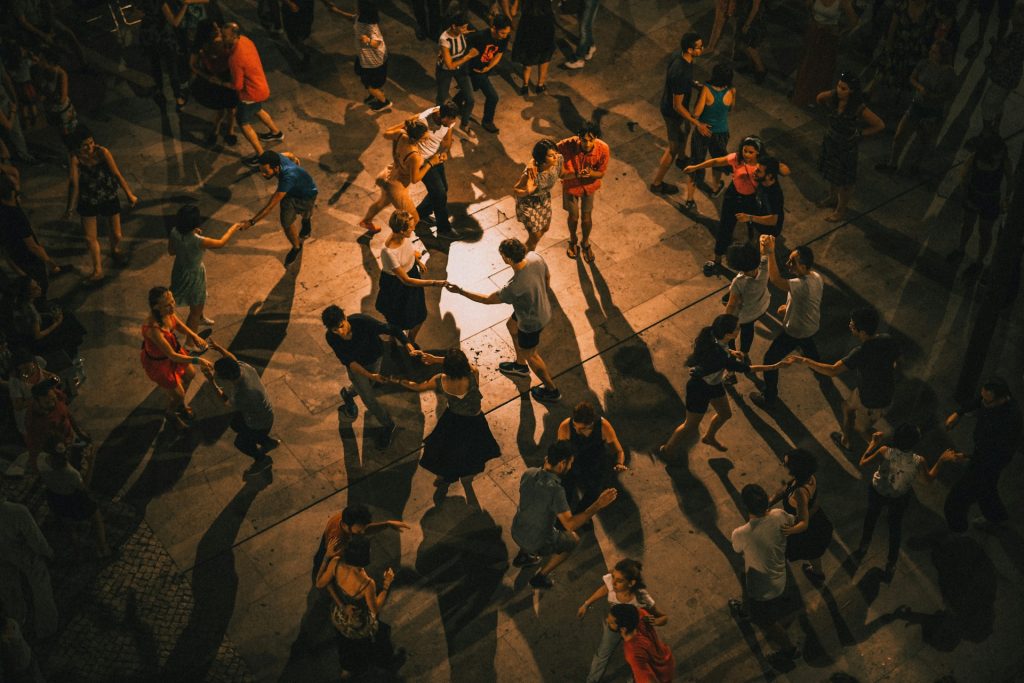
On the International Day of Dance, we celebrate more than movement, we celebrate the profound connection between body, mind, and community. Insights from Harvard Medical School highlight that dancing is not just an art form; it is a powerful cognitive exercise that engages the whole brain.
Dancing activates multiple brain systems simultaneously. As research shows, it stimulates sensory and motor circuits while music triggers the brain’s reward centers, creating a unique synergy between physical movement and emotional experience. Unlike repetitive forms of exercise, dance requires coordination, memory, rhythm, and decision-making, all at once. This complexity strengthens neural connections and promotes neuroplasticity, the brain’s ability to reorganize and adapt.
The cognitive benefits are striking. Studies have found that learning dance sequences can improve memory, problem-solving, and attention more effectively than some traditional forms of exercise. Even more compelling, research has linked regular dancing to a reduced risk of dementia, suggesting that its combination of mental challenge, physical activity, and social interaction creates a uniquely protective effect on brain health.
But dance is not only about cognition, it is also deeply social and emotional. It fosters connection, reduces stress, and enhances well-being by increasing positive neurochemicals such as serotonin. Whether performed on stage, in a studio, or at home, dancing invites individuals to connect with themselves and others in meaningful ways.
On this International Day of Dance, the message is clear: movement matters. Dancing reminds us that caring for the brain does not always require complex interventions, it can begin with a simple step, a rhythm, and a shared moment of joy.

Serra Húnter Fellow of Sociology at Universitat Rovira i Virgili.
Former DAAD-Gastprofessorin at Julius-Maximilians-Universität Würzburg