

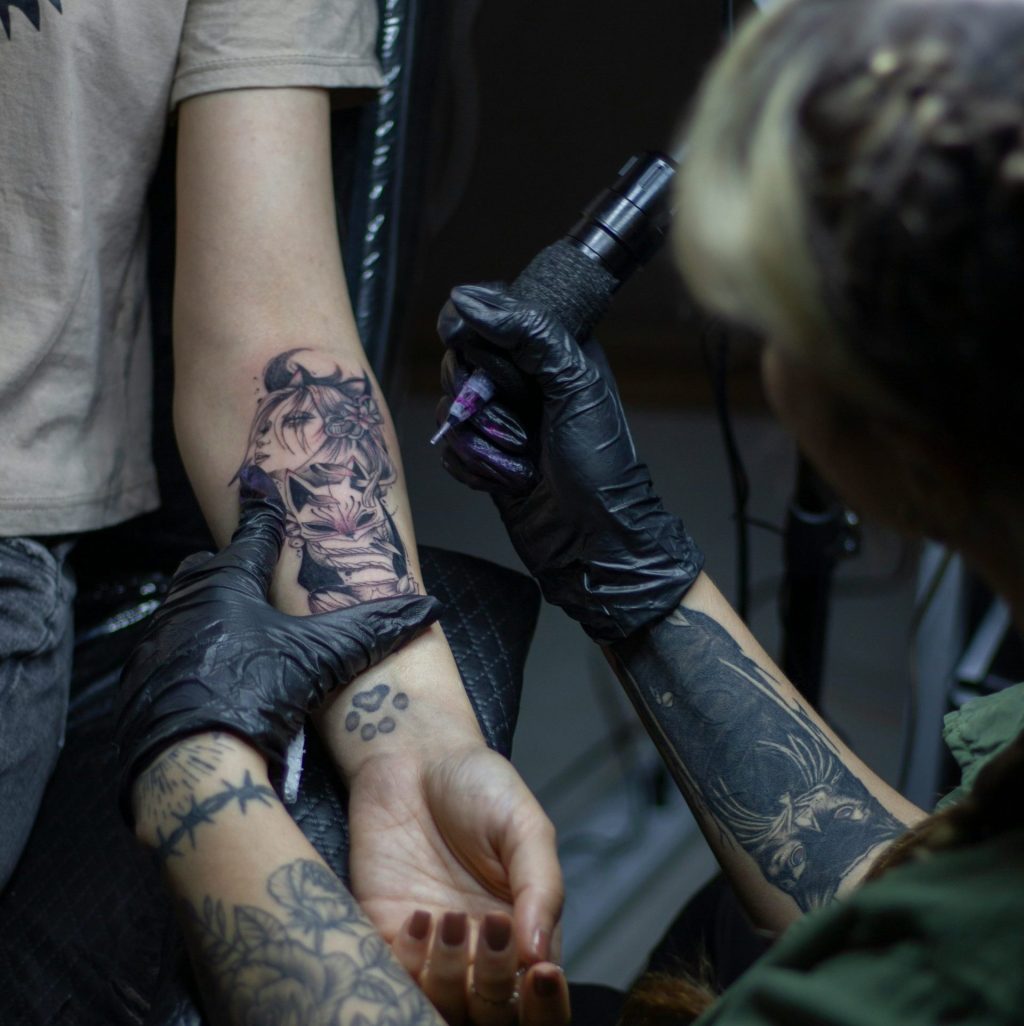
New scientific research is opening an important conversation about the possible long-term health effects of tattoos, specifically their relationship with cutaneous melanoma, a type of skin cancer. A recent population-based study from Sweden investigated whether people with tattoos have a higher risk of developing melanoma. The study included almost 3,000 individuals diagnosed between ages 20 and 60 and compared them with more than 8,000 people without melanoma. Participants were asked detailed questions about their tattoos, sun exposure habits, and lifestyle factors.
The findings suggest that having a tattoo may be associated with a modestly increased risk of melanoma. According to the results, tattooed individuals had about a 29 percent higher risk of developing this type of skin cancer compared to people without tattoos. This was observed regardless of the size of the tattoo, although tattoos that combined black and coloured inks showed slightly higher risk estimates. The study also found that the increased risk appeared in both invasive melanomas and early stage forms.
Why could this be happening? Tattoo inks often contain chemicals such as polycyclic aromatic hydrocarbons, aromatic amines, and heavy metals. Some of these chemicals are known or suspected to be carcinogenic. These substances can remain in the skin long after the tattoo is applied and may travel to nearby lymph nodes. At the same time, tattooing itself involves puncturing the skin repeatedly, which creates minor injury and inflammation. Although none of these factors alone proves causation, they may help explain why researchers observed a higher incidence of melanoma among people with tattoos.
It is important to highlight that this is one study, and the authors emphasize the need for more research before drawing firm conclusions. Tattoos are very common today, especially among younger generations, so understanding any potential risks is essential. For now, experts recommend the same protective measures for everyone: limit sun exposure, use sunscreen, monitor changes in the skin, including in tattooed areas, and seek medical advice if anything looks unusual.

Serra Húnter Fellow of Sociology at Universitat Rovira i Virgili.
Former DAAD-Gastprofessorin at Julius-Maximilians-Universität Würzburg