

Endometriosis Awareness Month
Surgical management of complex deep endometriosis has considerably developed during the last 3 decades. Before 2000, complex surgeries for endometriosis were performed in only few centers around the world, which were managing 20 to 50 complex cases/year. During the last 20 years, there was an obvious raise of the number of complex surgeries for endometriosis worldwide. A survey carried out in France recorded 1,135 patients with colorectal endometriosis who benefited from complex colorectal procedures in 2015. Ten years later, the number of complex surgeries in France has increased by not less than 50%. How can we explain this implosion of the number of patients requiring complex surgeries for endometriosis during a period as short as 1 or 2 generations? Logically, three main explanations could be considered: 1) the prevalence of the disease could increase; 2) the accurate diagnosis could more frequently be offered resulting in more patients seeking care; 3) complex surgical procedures could today be offered more frequently. It is likely that the correct answer is a combination of them.
- Endometriosis is a disease which origin is gynecological, although in complex forms it involves different organs of the digestive tract, urinary system, nerves and muscles. The particularity of the disease is its development rhythmed by ovarian cycles and periods: the higher the number of periods, the higher the risk of disease growth. Modern women lifestyle recently led to a dramatical increase of the number of periods during their lifetime: first periods occur earlier, the number of children, frequency and duration of breastfeeding significantly have reduced, resulting in an overall number of periods 3 to 4-fold higher when compared to that of women of the 19th century. This evidence, associated to the impact of endocrine perturbators which are present everywhere around us, and to the use of infertility treatments, could have had an impact on the increase of the number of complex endometriosis cases.
- The diagnosis of the endometriosis is obviously more frequent than 30 years ago. It is the result of a better public awareness regarding the disease, better training of radiologist and physicians, and improvement of radiological devices such as ultrasound and MRI machines, which led to a much higher number of patients receiving the diagnosis of complex endometriosis. Deep endometriosis lesions which have been overlooked for years can be now accurately identified.
- Today, endometriosis may be treated employing 2 main strategies: a) the medical approach which goal is to relieve the symptoms and to stop the development of endometriosis lesions without their disappearance, and b) the surgery which aims to remove the lesions without completely avoiding their recurrence. Astonishingly, medical weapons have not significantly improved during the last 5 decades, as they are still hormonal treatments which main goal is merely to block ovarian cycle, with consecutive positive impact on the risk of lesions growth. Their limit is related to the persistence of lesions, hormones side effects and their incompatibility with natural conception. Conversely, surgical management has completely changed during the last 3 to 4 decades, thanks to the major development of minimally invasive and robotic surgeries, and the improvement of general knowledge about the surgical procedures required in endometriosis, their benefits and risks. Although centres proposing complex surgeries for endometriosis were scarce before 2000, they have trained numerous young surgeons which then have offered these complex surgeries in other new centers, like the branches of a tree growing from the trunk. This continuous processus of teaching and learning, facilitated by the development of the internet and exchange of video files, had a favorable effect on the number of surgeons able to take care about more numerous patients suffering from complex endometriosis.
Where this spiral will ultimately end? The answer is uncertain, but it is likely that the exponential curve will stop when researchers identify a non-hormonal treatment able to target specifically endometriosis cells and to definitively destroy them. Although this will not happen tomorrow, we may hope that this moment is not too far ahead.

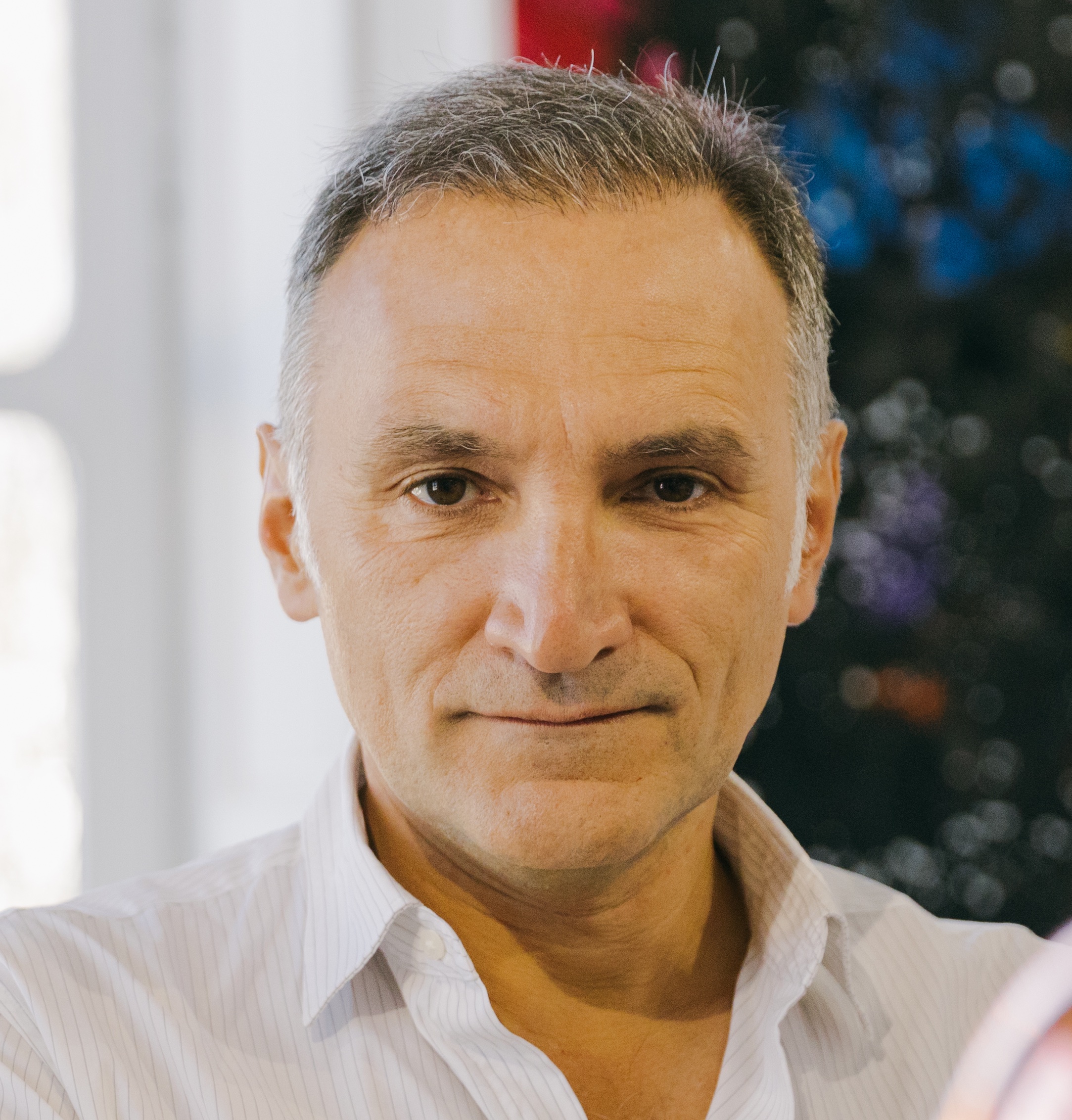
Surgeon of endometriosis at the Franco-European Multidisciplinary Institute of Endometriosis at Tivoli-Ducos Clinic in Bordeaux (France), Burjeel Medical City in Abu Dhabi (UAE) and Medicover Hospital in Cluj Napoca (Romania). He is Honorary Professor of Endometriosis Surgery at Aarhus University Hospital, Denmark. His practice and clinical research focus on the surgical management of patients with deep endometriosis. He has managed more than 2,000 patients with deep endometriosis infiltrating the digestive tract, 400 with endometriosis of urinary tract, 100 with diaphragmatic endometriosis and 200 with endometriosis of sacral roots and sciatic nerves. He privileges conservative procedures and has performed more than 500 rectal disc excisions. He performed the ENDORE randomized trial comparing radical and conservative surgery for colorectal endometriosis, MESURE randomized trial comparing medical and surgical management of rectal endometriosis. He has published more than 250 scientific articles in peer-reviewed journals and presented more than 150 lectures in endometriosis field during 20 years of career dedicated to this disease.