
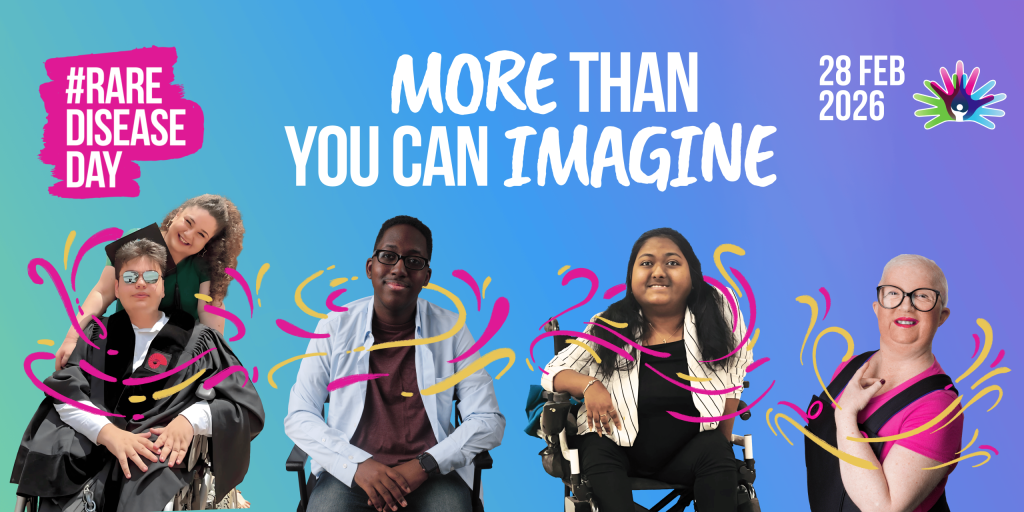
Observed each year on February 28, Rare Disease Day draws attention to conditions that are individually uncommon but collectively affect millions of people worldwide. One of the most persistent challenges faced by individuals with rare diseases is the long delay between the onset of symptoms and an accurate diagnosis—a journey often described as the “diagnostic odyssey.”
Many rare diseases begin with symptoms that are nonspecific and easily mistaken for more common conditions. Fatigue, muscle weakness, developmental delays, or subtle metabolic changes are frequently attributed to routine health problems, particularly in the early stages. Because each rare disease affects a small number of people, most healthcare professionals encounter only a limited number of cases during their careers. This makes early recognition difficult, especially when symptoms evolve gradually over time.
Diagnostic delays can be particularly significant in rare neurodegenerative and neuromuscular disorders, where disease progression may begin long before a clear diagnosis is established. In such conditions, months or years without answers can affect not only medical outcomes but also emotional well-being, family planning, and access to appropriate care.
Over the past two decades, scientific advances have begun to change this landscape. Genetic sequencing technologies now allow clinicians to identify disease-causing changes in DNA with far greater accuracy than before. Alongside this, emerging fields such as proteomics and metabolomics help researchers study changes in proteins and metabolic pathways that can act as measurable indicators of disease. Together, these tools are improving diagnostic precision and shortening the time required to reach a confirmed diagnosis.
Early diagnosis is especially important for progressive conditions. Even when curative treatments are not yet available, a timely diagnosis allows patients and families to receive appropriate medical management, supportive care, and counselling. It also opens the door to participation in clinical research, helping to advance scientific understanding and the development of future therapies.
International collaboration has played a crucial role in this progress. Shared databases, patient registries, and multidisciplinary research efforts enable scientists and clinicians to compare findings across populations, improving recognition of rare disease patterns. Public awareness initiatives such as Rare Disease Day further support this effort by encouraging dialogue between researchers, healthcare providers, patients, and society.
As diagnostic technologies become more accessible, the gap between symptom onset and diagnosis is expected to narrow. While rare diseases remain complex, continued scientific innovation—combined with greater awareness among clinicians and the public—can significantly improve how these conditions are recognized, understood, and managed.

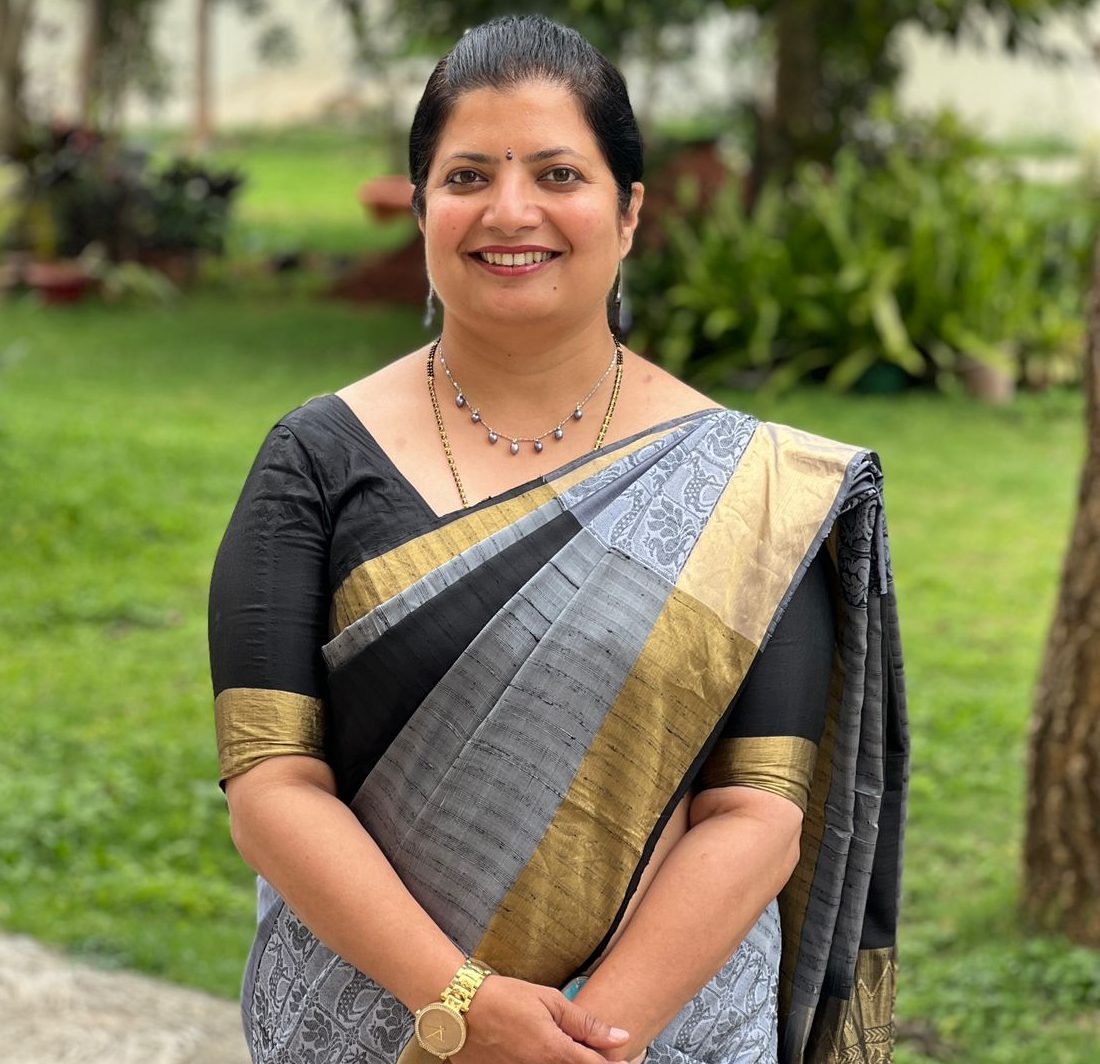
Dr. Akila Prashant, MBBS, MD, PhD, PGDip (Genomic Medicine & Health Care), is a medical biochemist and molecular geneticist whose work bridges laboratory science, clinical diagnostics, and translational genomics. She serves as Professor & Head of Biochemistry at JSS Medical College, JSS Academy of Higher Education and Research, Mysuru.
Her scientific contributions span more than two decades of work in clinical biochemistry, molecular diagnostics, rare disease genetics, and biomarker discovery. She has systematically strengthened the diagnostic ecosystem through the establishment of key laboratories including newborn screening for inborn errors of metabolism, cytogenetics and FISH, maternal serum screening, and advanced molecular testing platforms. These efforts have enabled early identification of metabolic, chromosomal, and monogenic disorders in the regional population and have significantly improved diagnostic access within the public health system.
Her work covers rare Mendelian disorders, β-thalassemia, pharmacogenomics, mitochondrial variants, and genomic approaches in metabolic and neurological disease. She also leads capacity-building through her role in national programs such as the ICMR Collaborating Centre of Excellence and the National Registry for Rare and Other Inherited Disorders.
Dr. Akila has authored more than 135 scientific publications across biochemistry, genetics, diagnostics, clinical research, and laboratory medicine. She also serves as Editor-in-Chief of the Indian Journal of Medical Biochemistry and Associate Editor for Scientific Reports, contributing to scientific communication and discipline-wide quality standards.
Her work is recognized through multiple awards including the AMBI Fellowship (2024), the Research Excellence Award (2025, JSS AHER), and the IFCC Global MedLab Week Award (APFCB region, 2025). She is also listed among the World’s Top 2% Scientists (Stanford, 2024). Beyond research, she has played a pivotal role in shaping academic curricula, mentoring young scientists, and promoting the professional growth of laboratory medicine in India.