

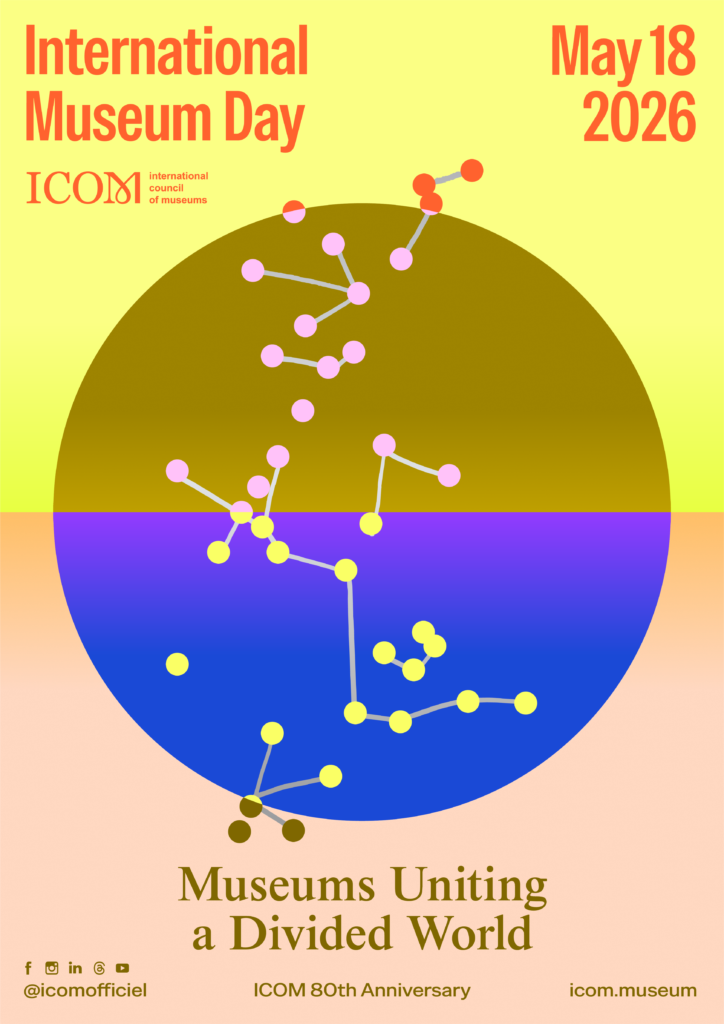
This day reminds us that museums are much more than buildings filled with objects from the past. They are living spaces where culture, memory, art, and knowledge help people understand one another. This year’s motto, “Museums Uniting a Divided World,” highlights the important role museums play in creating dialogue, empathy, and shared understanding among communities across the globe.
Humanity’s heritage must be preserved not only inside museums, galleries, and cultural institutions, but also within people’s minds and everyday conversations. Paintings, music, literature, historical objects, and scientific discoveries only remain alive when people continue to reflect on them, discuss them, and connect them with their own experiences.
This is precisely what happens in dialogic gatherings such as artistic, musical, and literary dialogic discussions. Thousands of children, young people, and adults around the world participate in these educational and cultural spaces every day. Through egalitarian dialogue, participants share interpretations, emotions, and ideas inspired by humanity’s cultural legacy. A child discussing a classic novel, a teenager reflecting on a piece of music, or an adult analyzing a work of art are all contributing to keeping culture alive.
These gatherings do much more than transmit knowledge. They help people value heritage, develop critical thinking, and build collective meaning together. Participants learn that culture belongs to everyone, regardless of age, background, or academic level. In a world often marked by division and misunderstanding, dialogue around culture becomes a powerful bridge between people.
Museums and dialogic gatherings share that they preserve humanity’s legacy and make it meaningful for present and future generations. When people engage in dialogic gatherings about art, literature, music, and history, heritage stops being something distant and becomes part of their own lives, and social art is also created.

Assistant Lecturer at the University of the Basque Country