

International Day Against Homophobia, Transphobia, Biphobia
When we talk about homophobic bullying in schools, the instinct is often to focus on individual behaviour: a student says something hurtful, another is targeted, and the solution is to correct or punish the perpetrator. But this view misses something fundamental. Homophobic bullying is not simply about “bad actors.” It is a social process, produced, sustained, and sometimes even normalised by the wider culture of schools and society.
At the centre of this process is heteronormativity: the assumption that being heterosexual and conforming to traditional gender roles is the norm, natural, and preferable. This assumption shapes everyday interactions in schools, from language and jokes to curricula and expectations about how boys and girls should behave. Homophobic bullying emerges not as an isolated act, but as a way of policing these norms.
Research across Europe shows just how widespread this is. A UNESCO analysis found that over half (54%) of LGBTQI students report being bullied at school, while the majority regularly hear negative comments about sexual and gender diversity. Similarly, data from the EU’s Fundamental Rights Agency indicate that more than two-thirds of LGBTIQ people report having been bullied at school. These are not marginal experiences, they are systemic.
Evidence from Spain offers particularly useful insight into how this plays out. A large meta-analysis found that while general rates of gender-based bullying appear relatively modest, when LGBTQ+ students are asked directly, up to 51% report being bullied. Another recent study shows that 74% of sexual minority adolescents report experiencing at least one form of victimisation, often across multiple domains of their lives. These figures highlight a crucial point: the way we measure bullying shapes what we see. When we rely on narrow definitions or general population surveys, the experiences of LGBTQI+ students can be obscured.
A social process approach helps make sense of this. Homophobic bullying does not only target those who identify as LGBTQI+. It also affects students who are perceived as “different” those who do not conform to dominant norms of masculinity or femininity. As research shows, such bullying is rooted in homophobia, sexism, and heterosexist values, and often functions to reinforce group boundaries. In other words, it is as much about maintaining social order as it is about individual hostility.
This is why focusing solely on the individual, either the student who bullies or the target, is insufficient. It risks framing LGBTQI+ young people through a deficit lens, as if the problem lies in their identity rather than in the environments they navigate. The issue is relational and institutional. School cultures, peer norms, teacher responses, and policy frameworks all play a role in either challenging or reproducing heteronormativity.
There is also growing evidence that subtle, everyday forms of exclusion can be as harmful as overt bullying. Spanish research, for example, shows that psychological wellbeing among LGBTI individuals is often more affected by subtle discrimination than by explicit acts. This includes things like silence around LGBTQI+ topics, lack of representation in curricula, or the assumption that “everyone is straight.” These forms of exclusion can signal to young people that they do not fully belong.
Encouragingly, research also points to what works. A large European study found that inclusive school practices, such as representation in curricula and supportive teacher relationships are associated with lower levels of depression, anxiety, and bullying-related stress among sexual and gender minority students. This reinforces a key insight: change does not come from isolated interventions, but from shifting the norms and structures that shape everyday school life.
So, what does this mean in practice?
- Schools need to move beyond reactive, incident-based approaches. Addressing homophobic bullying requires moving beyond a single school response to a whole-education approach, one that examines how norms are produced and maintained.
- Student voice is critical. Young people are not just passive recipients of school culture; they are active participants in shaping it. Involving them in co-designing policies and practices can help challenge taken-for-granted assumptions.
- We need better ways of understanding and measuring bullying, approaches that capture lived experiences, power relations, and the broader social context, rather than relying solely on narrow behavioural checklists.
Ultimately, homophobic bullying is not an isolated problem to be “fixed.” It is a window into how schools reflect, and can transform, the social norms of the societies they serve. If we take that seriously, the goal is not just to reduce bullying, but to create school environments where diversity is not merely tolerated, but genuinely valued.

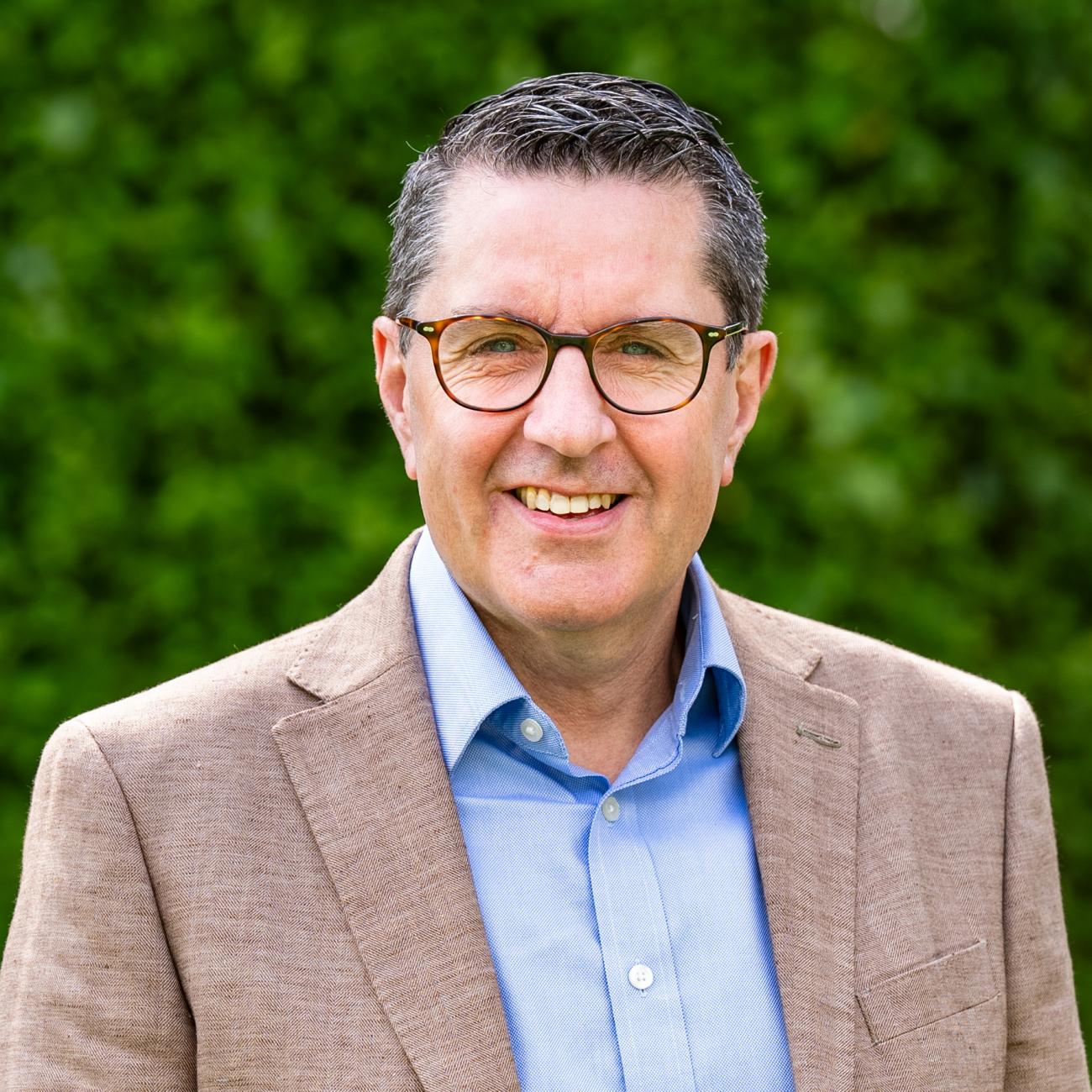
Professor of Education and Society, Dublin City University.
UNESCO Chair on Bullying and Cyberbullying
Director, DCU Anti-Bullying Centre
Editor-in-Chief,International Journal of Bullying Prevention (Springer).