

Hantaviruses are a large family of viruses found almost worldwide in a wide variety of animals, not only rodents, but also bats, shrews, reptiles, fish, and even amphibians. However, only hantaviruses transmitted by rodents (and only those hosted by certain species) are capable of causing disease in humans. In the Americas, the illness they produce is Hantavirus Pulmonary Syndrome (HPS), a severe disease widely distributed throughout the continent, although with relatively low incidence.
The typical mode of transmission of HPS is the inhalation of particles contaminated with viruses excreted in the urine and feces of infected rodents. In the Americas, these rodents are all wild and native species — forest, jungle, or grassland mice— that are not normally found in cities, nor on ships.
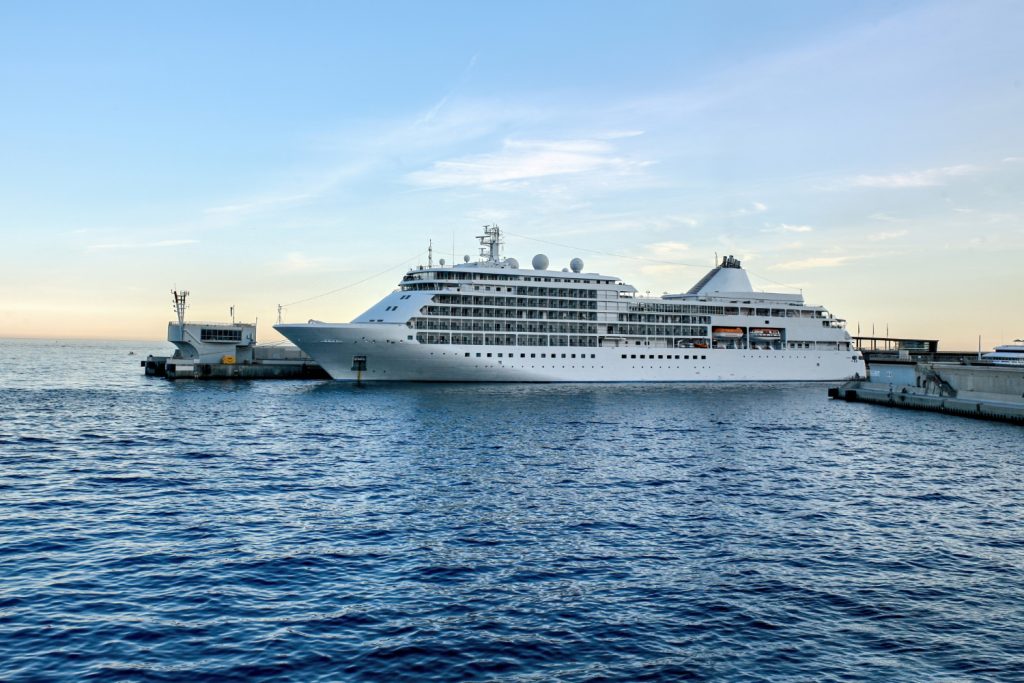
So, what happened on the cruise ship? If we consider the “classic” mode of transmission, then the infected passengers must have contracted the virus after exposure to an infected rodent before boarding the ship. This would not be implausible, since hantavirus is present in Patagonia and most of the passengers were tourists who could have been exposed to urine and feces from infected rodents in forested areas before embarkation. In fact, it is known that at least two of them had been hiking in the Andean-Patagonian forest.
But is this the only possibility? No, because in Patagonia there is also a hantavirus strain for which person-to-person transmission has been confirmed. In this scenario, it is no longer necessary for a person to have shared an environment with an infected rodent. Close contact with an infected person (for example, on a cruise ship) is enough.
So, what did actually happen? It is still not known with certainty, but given that there are at least eight confirmed patients (one of them the ship’s doctor), and considering that they all shared the cruise ship — that is, a common environment — it seems more plausible that transmission occurred between people starting from a primary case, rather than as a series of independent cases.
So, should we be worried? If the cases occurred, as it appears, through person-to-person transmission, then even though the virus is fragile and transmission requires close contact, the risk of spread beyond the ship does exist and measures must be taken to contain it. However, there is no reason for alarm because those measures are being implemented. The outbreak is very localized and containable. It is nothing comparable to other outbreaks of infectious diseases, many of which are far more contagious than this one. It is not even comparable to previous HPS outbreaks in Argentina involving person-to-person transmission caused by this same viral strain.
The reality is that contagious diseases with high mortality rates frighten us, and understandably so. But as long as appropriate precautions are taken according to each outbreak, there is no reason for alarm.

María Victoria Vadell holds a PhD in Biological Sciences and is a CONICET (National Scientific and Technical Research Council of Argentina) researcher at the Instituto de Biología Subtropical in Puerto Iguazú, Misiones, Argentina. Her research focuses on the eco-epidemiology of hantaviruses, a field in which she has worked for more than 15 years.