
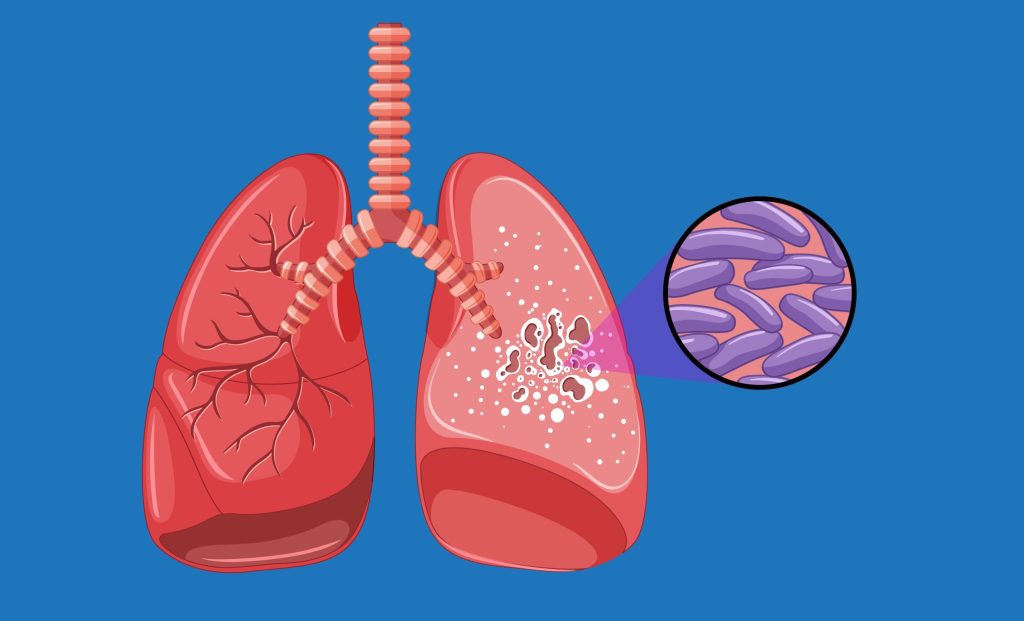
On March 24, 2026, the world marks World Tuberculosis Day, commemorating the moment in 1882 when Robert Koch announced his discovery of Mycobacterium tuberculosis, the bacterium that causes tuberculosis (TB). More than 140 years later, TB remains one of humanity’s deadliest infectious diseases — yet it is both preventable and curable.
An estimated one quarter of the world’s population is infected with M. tuberculosis. Most individuals carry the bacterium without symptoms, but they remain at risk of developing active TB, particularly if immunity is weakened. Each year, more than 10 million people fall ill with TB, and over a million die. The burden falls disproportionately on low- and middle-income countries, where poverty, overcrowding, malnutrition, HIV infection, and limited access to healthcare fuel transmission.
Global targets under the End TB Strategy of the World Health Organization have not been met — not only because COVID-19 disrupted services, but also due to persistent funding gaps, unequal access to care, fragile health systems, and insufficient political commitment. Incidence reductions remain too slow, and mortality is unacceptably high. This is a stark reminder: we must do better — and we can do better.
Science offers reason for optimism. Rapid molecular diagnostics enable earlier detection and identification of drug resistance. New drugs and shorter, more effective treatment regimens for both drug-susceptible and multidrug-resistant TB improve compliance and outcomes. Research into novel antimicrobials, host-directed therapies, and biosignatures that predict progression from infection to disease is advancing rapidly.
Vaccine development represents a critical frontier. The century-old BCG vaccine protects infants against severe TB but provides inconsistent protection against adult disease, the main driver of transmission. Several vaccine candidates are in late-stage clinical trials. Future vaccination strategies may need to move beyond a “one size fits all” approach toward precision vaccinology tailored to different populations. Safe and effective vaccines for adolescents and adults could prevent millions of cases.
Importantly, new interventions must not only become available — they must also be affordable and accessible to those who need them most.
Political commitment must match scientific progress. At the United Nations High-Level Meeting on Tuberculosis in 2023, leaders renewed ambitious goals to expand prevention and care, close funding gaps, advance research, and protect the rights of affected communities. These pledges must now translate into measurable action, accountability, and sustained investment.
Achieving a TB-free world will require a global investment of approximately US$250 billion, but this effort is projected to generate more than US$1 trillion in economic benefits. It is a substantial cost — but one that is clearly worth the effort.
World Tuberculosis Day 2026 is more than a commemoration. It is a call to action: ending TB is achievable — but only if we act now.

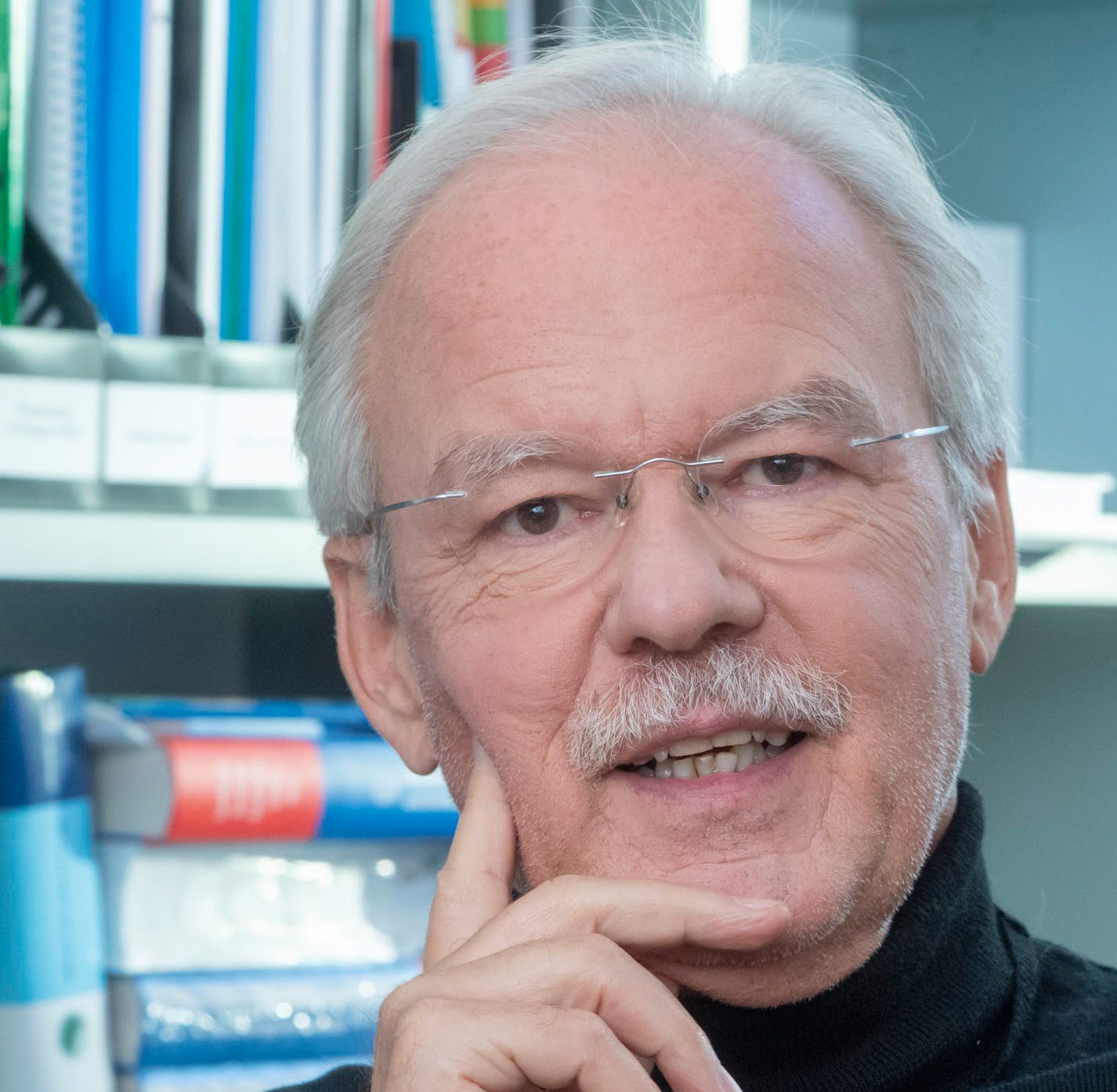
Emeritus Director, Max Planck Institute for Infection Biology, Berlin. Emeritus Group Leader, Max Planck Institute for Multidisciplinary Sciences, Göttingen. Senior Professor, Charité University Clinics, Berlin.
In 1993, he became the founding director of the newly established Max Planck Institute for Infection Biology in Berlin. His research focuses on the interplay between pathogen and host — the core of infection biology — with a particular emphasis on tuberculosis. He has discovered and characterized key mechanisms of protective immunity against TB and translated these insights into the rational development of biosignatures and vaccination strategies.
Dr. Kaufmann has received numerous awards for his scientific achievements. Beyond his research, he advocates for addressing global infectious threats, emphasizing that diseases such as TB know no borders. He has authored more than 1,000 scientific publications and several books for the general public, including Wächst die Seuchengefahr (2007), published in English as The New Plagues (2008).