

Europeans did not know about tomatoes, maize, potatoes, or chocolate, among many other things that were introduced to us by the peoples living in the Americas. After 1492, the Americans suffered many calamities from contact with Europeans: new diseases for which they had no immunity, European violence, slavery, and more. However, life in Europe improved significantly. Potatoes were not eaten at first because they were even considered poisonous and, at most, were fed to animals. Prejudices even claimed that they were not mentioned in the Bible, that they grew underground, and that they were dirty. Nevertheless, when famine and food shortages occurred, they began to be eaten en masse and became crucial for human nutrition and survival.
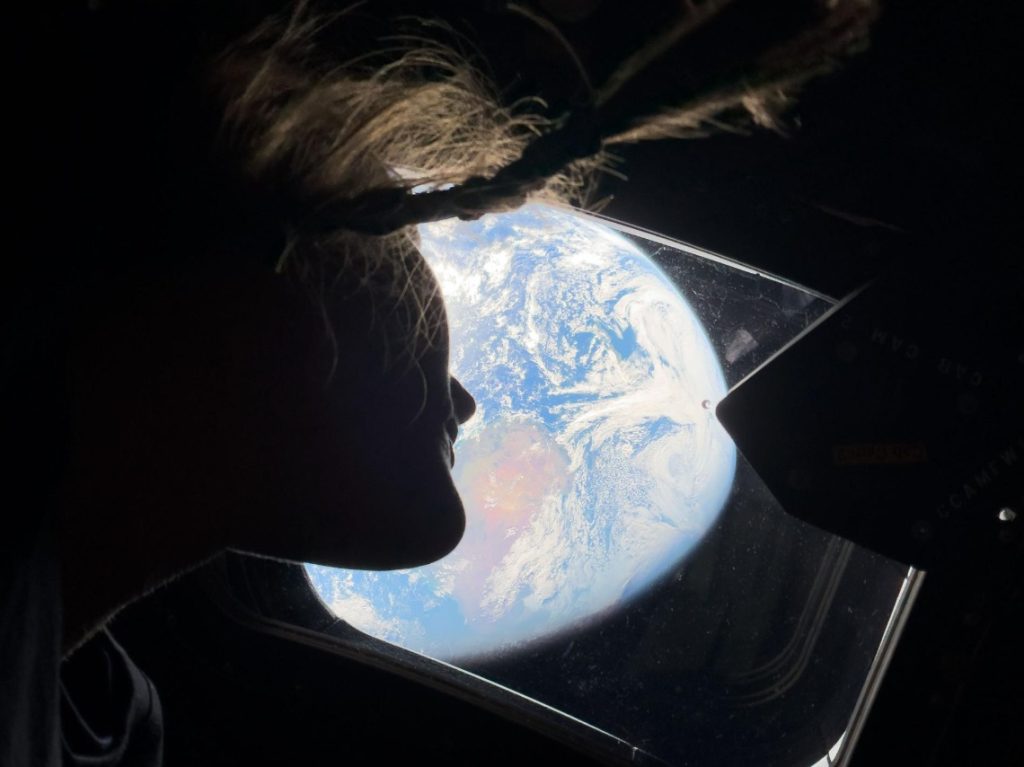
With projects such as Artemis and others, humanity may one day explore celestial bodies beyond Earth. It may surprise some that no comprehensive analysis is being conducted on the impact humanity will have on populations on Earth, and that in many schools, the discussion focuses solely on adventure, risk, cost, and, at most, technological aspects. However, it is well known in the social sciences that much of humanity is rarely aware of the large transformations it is undergoing while they are happening.
Comparing both periods, there is now no danger of causing to populations on the Moon or Mars the negative consequences that befell the peoples of the Americas. From a Human Rights perspective, this is already a significant comparative advantage. But we could still cause environmental disasters on other planets or perhaps bring some form of contamination back to Earth, for instance, biological, for which we are unprepared. Some will emphasise only the positive aspects (technological, scientific, energy and mineral resources, etc.), while others will highlight only the negatives, such as cost, potential contamination, and the privatisation of celestial bodies. To avoid these one-sided views, schools should present both dimensions in a balanced way, following the popular saying found in La venganza de Don Mendo, in the card game “siete y media”: “failing to reach it brings pain… but exceeding it is worse.”
In any case, let us not forget what Stephen Hawking said: “Do not put all your eggs in one basket,” as he doubted that humanity could survive a thousand more years solely on Earth.

Predoctoral researcher at the University of Barcelona

1st with the most total citations of all categories, among those authors including in Google Scholar "Gender Violence" as one of them.