

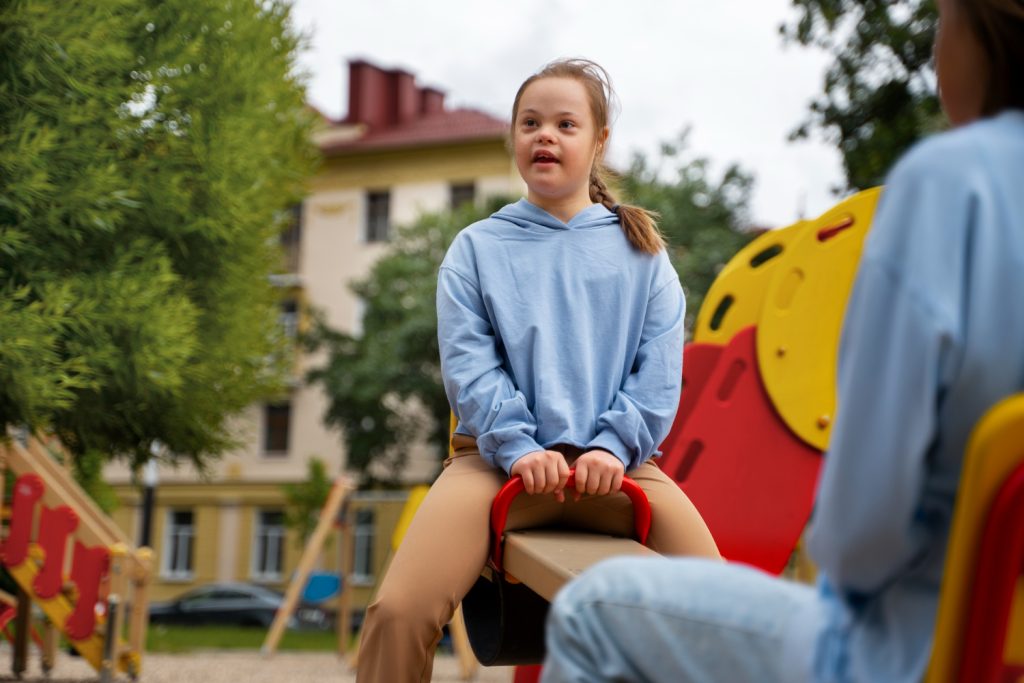
This year’s theme, “Together Against Loneliness”, is particularly relevant when viewed alongside scientific research on loneliness among people with intellectual and developmental disabilities (IDD), including many individuals with Down Syndrome.
A key study published eight years ago in the Journal of Applied Research in Intellectual Disabilities provided important insight into this issue. This systematic review—one of the first of its kind—examined both how common loneliness is among people with IDD and what interventions exist to address it. Across the studies reviewed, an average of 44.7% of individuals with IDD experience loneliness.
To put this into perspective, loneliness rates in the general population are typically much lower, meaning people with IDD may be disproportionately affected. This gap reflects broader social challenges, including stigma, limited opportunities for social participation, and smaller social networks often centred around family members or caregivers.
The study also found a significant lack of effective interventions. Only one intervention study met the review’s criteria, and it showed no statistically significant improvement in loneliness outcomes. This highlights a critical gap in both research and practice: while loneliness is widespread, solutions based on scientific evidence with social impact remain scarce.
For individuals with Down syndrome, these findings are especially relevant. Many experience similar structural barriers—such as fewer opportunities for independent social interaction, challenges in forming and maintaining friendships, and societal exclusion. Loneliness, in this context, is not simply about being alone; it is about lacking meaningful connection and a sense of belonging. Within Educational Psychology, belonging refers to the feeling of being accepted, valued, and included within a group. For individuals with Down syndrome, developing this sense from an early age—particularly in school settings—can have a profound impact on their emotional and social well-being. Schools are one of the first environments where children form relationships beyond their families. When educational settings actively foster inclusion—through respect, participation, and recognition—they create opportunities for meaningful social connections. This not only reduces the risk of loneliness but also supports the development of social skills, confidence, and engagement in learning.
Equally important is listening to the voices of people with Down syndrome and other intellectual disabilities. To finish, combating loneliness is not just a personal issue but a collective responsibility. Building communities where everyone feels valued, included and connected is key to ensuring that no one is left behind.

Editor of Daily 27.
Predoctoral researcher at the Department of Sociology in University of Barcelona.