

Dublin holds a unique place in the world’s cultural landscape as a designated UNESCO City of Literature. Awarded this status in 2010, Dublin was one of the first cities to receive the honor, recognizing its extraordinary literary heritage, vibrant publishing scene, and enduring commitment to storytelling. The city has produced four Nobel Prize winners in Literature—W. B. Yeats, George Bernard Shaw, Samuel Beckett, and Seamus Heaney—as well as globally influential writers such as James Joyce, Oscar Wilde, Jonathan Swift, Bram Stoker or Patrick Kavanagh, among others.
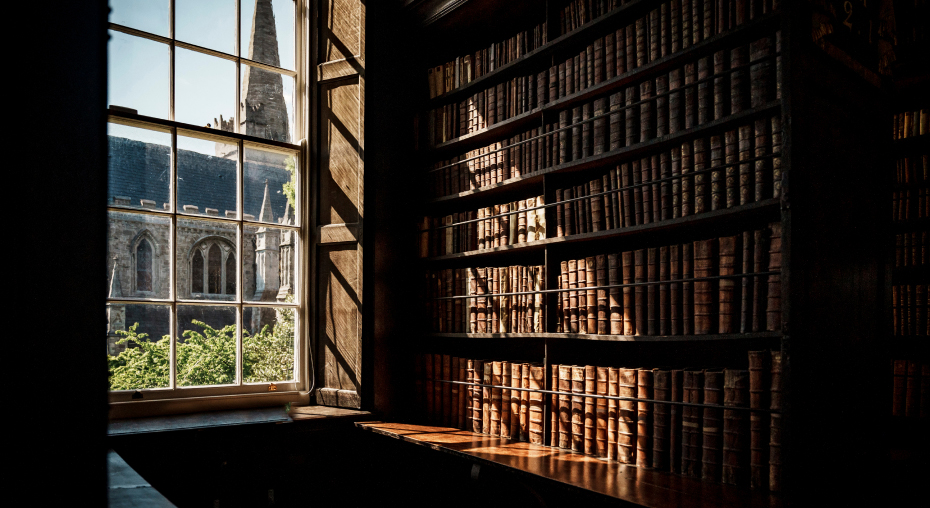
At the heart of this literary tradition stands Marsh’s Library, one of the city’s most treasured cultural institutions. Founded in 1707 by Archbishop Narcissus Marsh, Marsh’s Library was Ireland’s first public library and remains remarkably preserved. Located beside St Patrick’s Cathedral, the library houses more than 25,000 rare and historic books, many dating from the 16th, 17th, and 18th centuries. Its dark oak bookcases, wire “cages” where readers were once locked in to consult valuable texts, and original furnishings create an atmosphere that feels untouched by time.
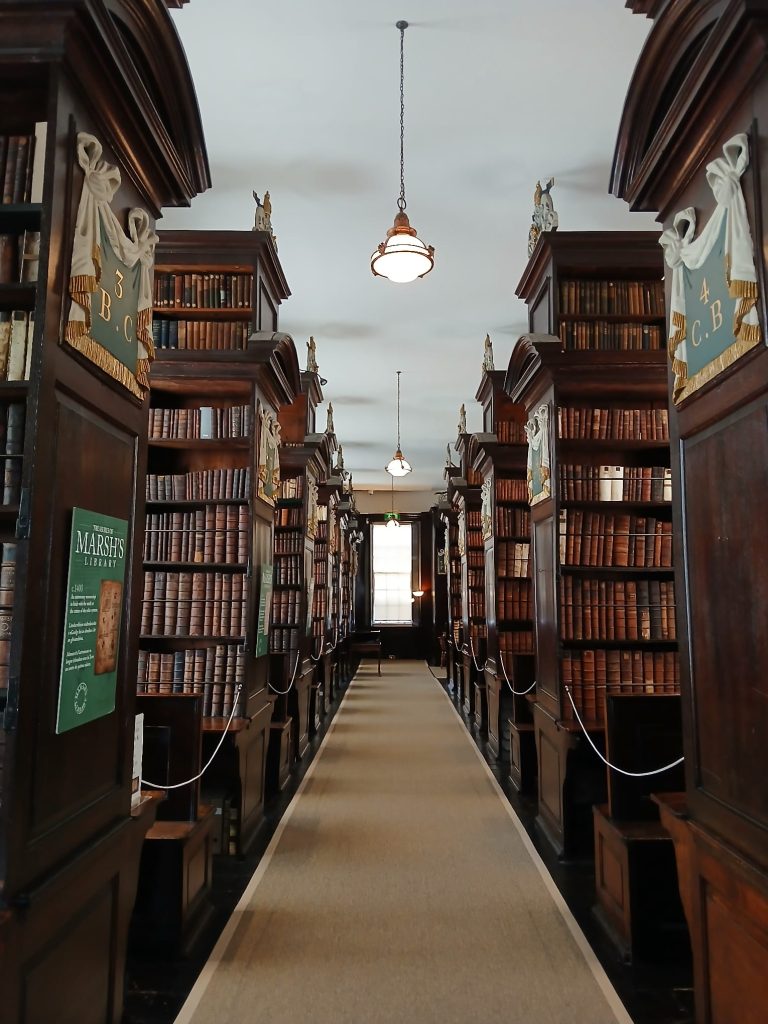
Marsh’s Library reflects Dublin’s long-standing reverence for scholarship and intellectual inquiry. Its influence can be traced through the lives of several major literary figures. As a student at Trinity College Dublin, Bram Stoker (1847- 1912) visited the library between 1866 and 1867 to consult rare and early books. Among the materials he encountered were works on history, geography, and Eastern Europe, including maps of Transylvania and references to historical figures associated with the name “Dracula.” These scholarly resources left a lasting impression. Years later, Stoker would weave themes of distant landscapes, obscure histories, and vampiric legends into his Gothic masterpiece, Dracula (1897).
Another towering figure of Irish literature, James Joyce (1882-1941), author of Ulysses (1922), read at Marsh’s Library in 1902. Immersed in its quiet scholarly atmosphere, Joyce drew upon Dublin’s intellectual and cultural life in shaping his literary vision.
The library was also closely connected to Jonathan Swift (1667-1745), author of Gulliver’s Travels (1726). As Dean of St Patrick’s Cathedral, Swift served as a governor of Marsh’s Library. His involvement underscores the close relationship between ecclesiastical leadership, intellectual life, and literary culture in eighteenth-century Dublin.
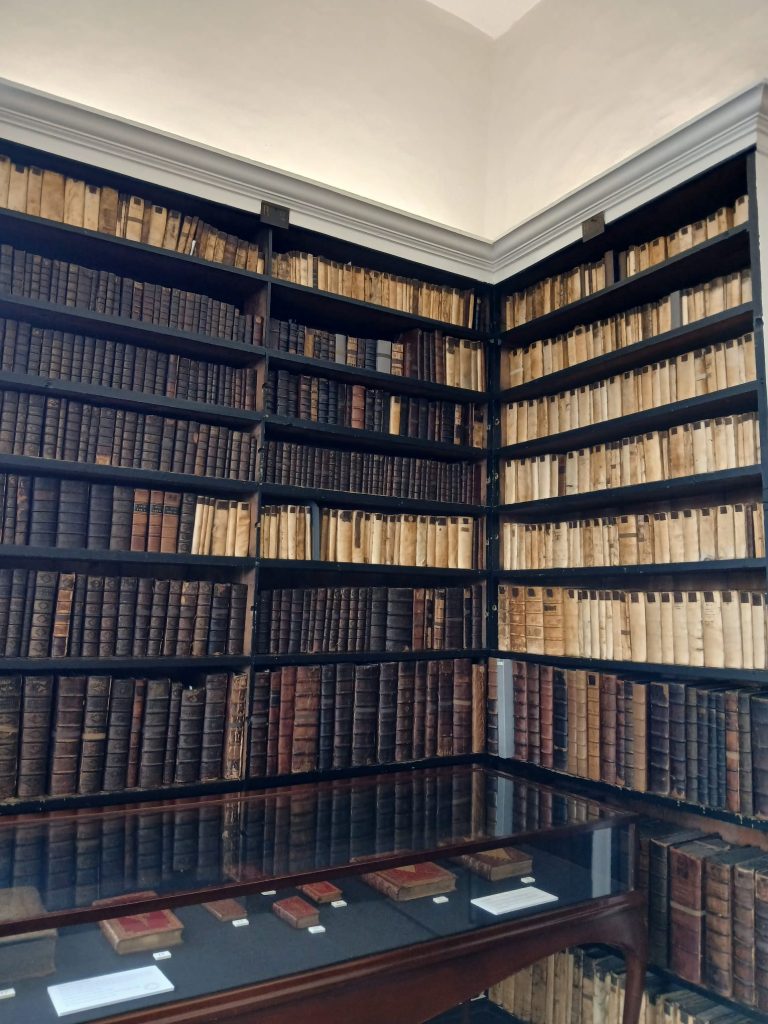
Across three centuries, Marsh’s Library has remained more than a historical curiosity, a place where stories endure. It continues to attract researchers, historians, and literary enthusiasts from around the world. In its quiet reading rooms, the continuity of intellectual tradition is palpable: the same shelves once consulted by Swift, Stoker, Joyce and many others, still hold the volumes that shaped their thought.

Editor of Daily 27.
Predoctoral researcher at the Department of Sociology in University of Barcelona.