

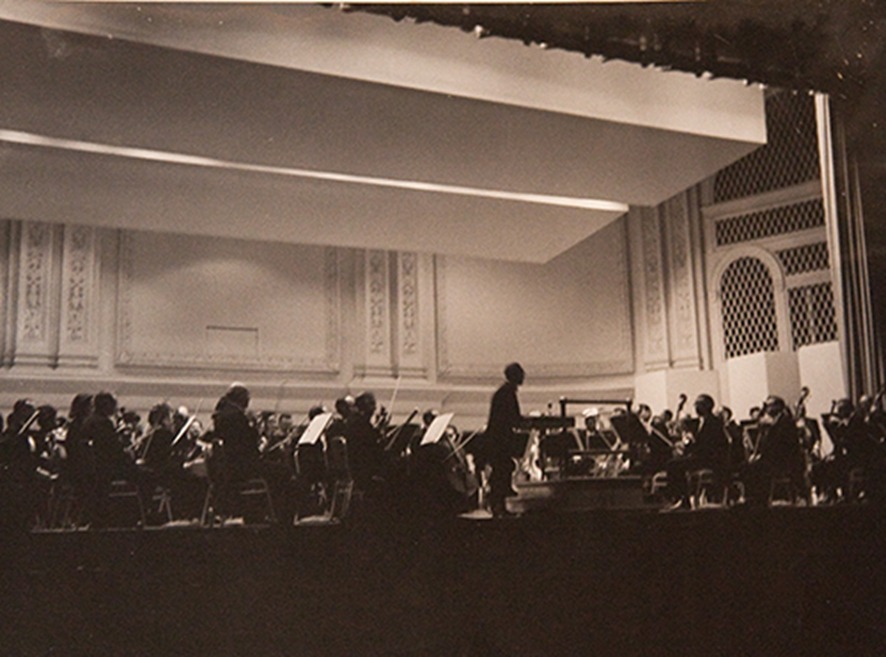
This day we are reminded that art reaches its fullest meaning when it is shared, when the most extraordinary creations of humanity are opened to all. Few works embody this spirit as powerfully as Symphony No. 9, “From the New World” by Antonín Dvořák.
Dvořák’s journey to this symphony was far from elitist. He began his career playing in dance bands and theatre orchestras, bringing music directly to everyday audiences. Even as he rose to international recognition, he never lost sight of the importance of accessibility. When invited by Jeannette Thurber to lead the National Conservatory of Music in New York, his mission extended beyond composition: he sought to help shape a national musical identity that belonged to everyone.
What makes the New World Symphony so remarkable is precisely this openness. Dvořák drew inspiration not only from European traditions but also from the musical heritage of Black Americans and from literary works like Longfellow’s Hiawatha. At a time when such sources were often dismissed by the cultural elite, he recognized their profound artistic value. By weaving these influences into a symphonic form, he elevated voices and traditions that were rarely acknowledged on prestigious stages.
In doing so, Dvořák did not dilute art, he enriched it. He demonstrated that great art does not belong to a select few but is born from shared human experience. The famous English horn melody of the second movement, later known as “Going Home,” resonates so deeply because it feels both intimate and universal.
Today, orchestras such as the Rhode Island Philharmonic Orchestra continue to bring this masterpiece to diverse audiences, ensuring its enduring relevance. On this special day, we warmly invite you to celebrate art by immersing yourself in Dvořák’s composition, listening, feeling, and sharing in the beauty it offers. Because art, like this symphony, truly comes alive when it is experienced together.

Serra Húnter Fellow of Sociology at Universitat Rovira i Virgili.
Former DAAD-Gastprofessorin at Julius-Maximilians-Universität Würzburg