

Community-based practices in the Basque Country are widely recognized, yet their influence on education is less well known. It is understood that the cuadrilla—a close-knit group of friends—is more common and enduring here than in many other regions, although such dynamics exist everywhere to varying degrees. Gastronomic societies are also often discussed, particularly their evolution from traditionally male-only spaces to the diverse and transformative realities of today. In leading business schools around the world, the Mondragón cooperative is studied as a successful model of cooperative enterprise.
This strong sense of community has been taken into account in certain educational projects that have taken root in the Basque Country. However, within the broader educational system, this richness is neither fully recognized nor thoroughly understood. There is frequent and justified emphasis on the need for material resources to improve education. Yet human resources are no less important and are sometimes underutilized—for example, when families and communities are excluded from key educational roles. This is always a misguided decision, but even more so when it overlooks the kind of community wealth present here.
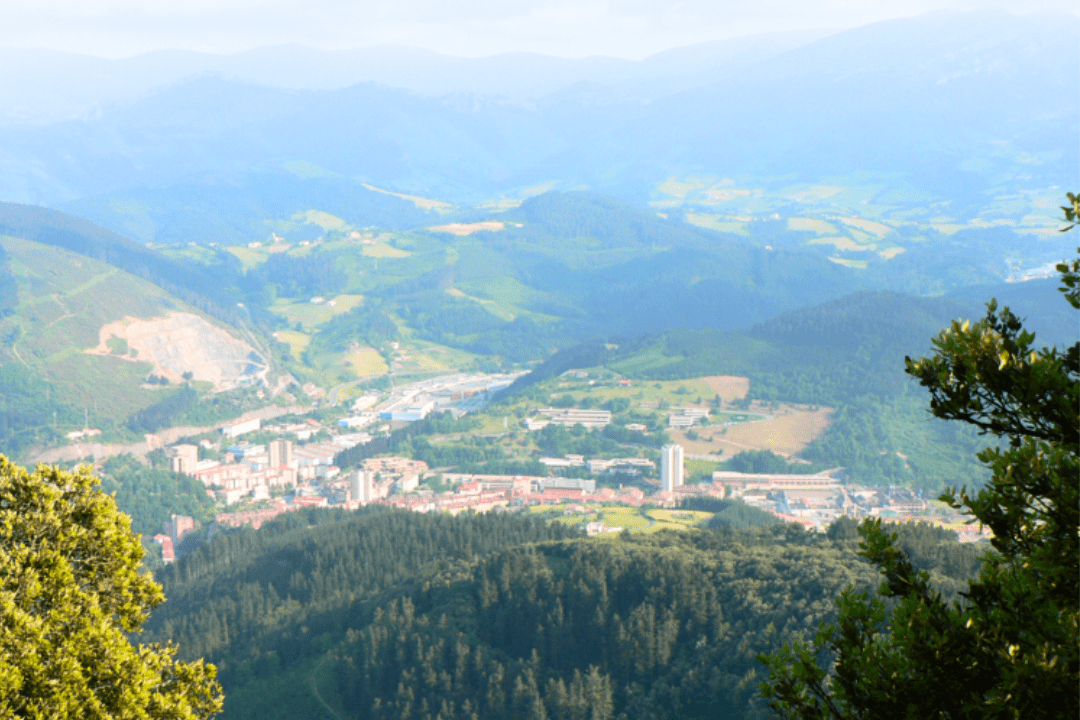
Some things are clear: these community practices are the result of a particular historical process. Geographic characteristics played a role. Mountains and valleys, for instance, limited the development of large estates and powerful feudal lords. Instead, they fostered communal work among small landholders to build and maintain roads and other infrastructure.
A significant historical moment was the popular reaction to the brutal band wars instigated by rival noble factions. The people sought protection from the Crown, which eventually granted widespread hidalguía (noble status) across much of Biscay—an outcome even referenced in Don Quixote. To prevent outsiders from claiming this status, it became necessary to prove residence in Biscay. This, in turn, encouraged the spread of auzolana (community labor), which helped give rise to local assemblies. John Adams even referenced these assemblies of Biscay in his writings on the U.S. Constitution.
Therefore, integrating this historical trajectory into education—aiming for the highest standards through the participation of all members of society—is a challenge we must now address. We have the tools to do so, supported by scientific evidence with proven social impact.
Article translated from Periódico Educación

Coordinator of Learning Communities in the Basque Country