

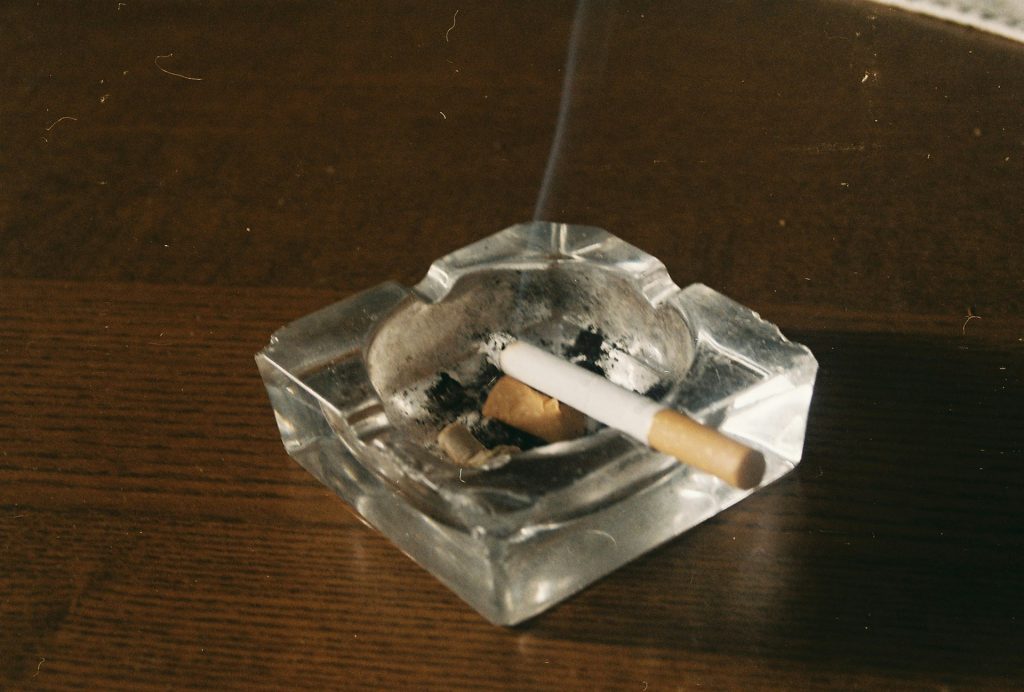
Recent global research suggests that a significant share of cancer cases could be avoided through changes in everyday habits. A large study published in Nature Medicine (Fink et al., 2026) estimates that almost 40% of all new cancer diagnoses worldwide in 2022 were linked to modifiable risk factors. These are behaviours or exposures that individuals or societies can reduce, control, or eliminate to lower the likelihood of developing the disease.
According to the study, tobacco smoking remains the most influential preventable cause of cancer, accounting for around 15% of cases that could have been avoided. It is followed by infections, including those caused by the human papillomavirus (HPV), and alcohol consumption.
The impact of preventable risk factors varies by region and gender. For women, roughly three in ten cancer cases were considered preventable. In many low‑ and middle‑income countries, infections such as HPV play a major role, contributing to high rates of cervical cancer. In contrast, in wealthier regions like North America and Europe, smoking is the leading preventable factor among women.
For men, smoking is an even bigger driver of risk, linked to nearly one‑quarter of preventable cases worldwide. Infections rank second, particularly in parts of Africa, Asia, and South America, while alcohol consumption comes third.
Experts say that the study’s global scope provides an unusually clear picture of where prevention efforts could be most effective. Because different regions face different dominant risks, researchers emphasize that cancer prevention strategies must be tailored rather than universal.
Reference
- Fink, H., Langselius, O., Vignat, J. et al. Global and regional cancer burden attributable to modifiable risk factors to inform prevention. Nat Med (2026). https://doi.org/10.1038/s41591-026-04219-7

Serra Húnter Fellow of Sociology at Universitat Rovira i Virgili.
Former DAAD-Gastprofessorin at Julius-Maximilians-Universität Würzburg