

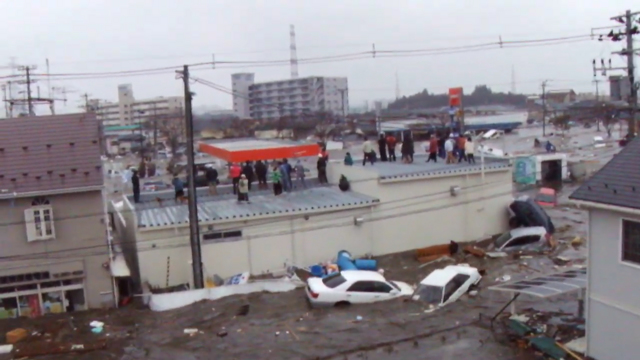
On 11 March 2011, Japan experienced one of the most devastating natural disasters in modern history: the 2011 Tōhoku earthquake and tsunami. Today marks 15 years since the disaster, and its memory continues to shape Japanese society while influencing global discussions on disaster prevention, environmental risk, and the relationship between societies and their natural environments.
The earthquake struck at 14:46 local time off the northeastern coast of Japan with a magnitude of 9.0–9.1, making it the strongest earthquake ever recorded in the country. It occurred along a subduction zone where the Pacific Plate is forced beneath the Okhotsk Plate. The sudden movement of the seafloor displaced massive amounts of water, generating a powerful tsunami that struck the coast of the Tōhoku.
The tsunami waves reached heights of up to 40 metres in some areas and travelled several kilometres inland. Coastal cities, ports, and agricultural land were devastated, particularly across the Sendai Plain. In total, nearly 19,000 people lost their lives, thousands were injured, and many more were reported missing. Entire communities were destroyed, and hundreds of thousands of people were displaced.
One of the most serious consequences of the disaster was the Fukushima Daiichi nuclear disaster, which occurred at the Fukushima Daiichi Nuclear Power Plant. The tsunami flooded the facility and disabled its cooling systems, leading to reactor meltdowns and radioactive releases. The incident became the most severe nuclear accident since the Chernobyl disaster of 1986 and triggered worldwide debates about nuclear energy and safety.
Fifteen years later, the disaster is frequently discussed from the perspective of prevention and resilience. Japan has significantly strengthened its early warning systems, evacuation planning, and coastal infrastructure. New sea walls, improved evacuation routes, and public education campaigns aim to reduce the vulnerability of coastal communities to future earthquakes and tsunamis. These efforts reflect a broader shift in disaster management: the focus is increasingly on risk reduction and preparedness, rather than only responding after disasters occur.
Research also highlights the importance of local leadership during recovery. A scientific study that examined the rebuilding process in Minami-Sanriku after the tsunami found that community leaders played a crucial role through active leadership: they helped define recovery project goals, coordinate stakeholders, and adapt recovery efforts to the local social and cultural context. The study highlights that this leadership was especially important in the Nagasuka Beach Recovery Project, where collaboration between residents, authorities and organizations helped guide reconstruction efforts and strengthen community resilience.
Ultimately, the 2011 disaster demonstrated that the severity of natural hazards often depends on how societies organize their relationship with the environment. Fifteen years on, the tragedy serves both as a memorial to those who lost their lives and as a reminder of the importance of preparedness, sustainable planning, and social resilience in the face of natural risks.

Editor of Daily 27.
Predoctoral researcher at the Department of Sociology in University of Barcelona.