

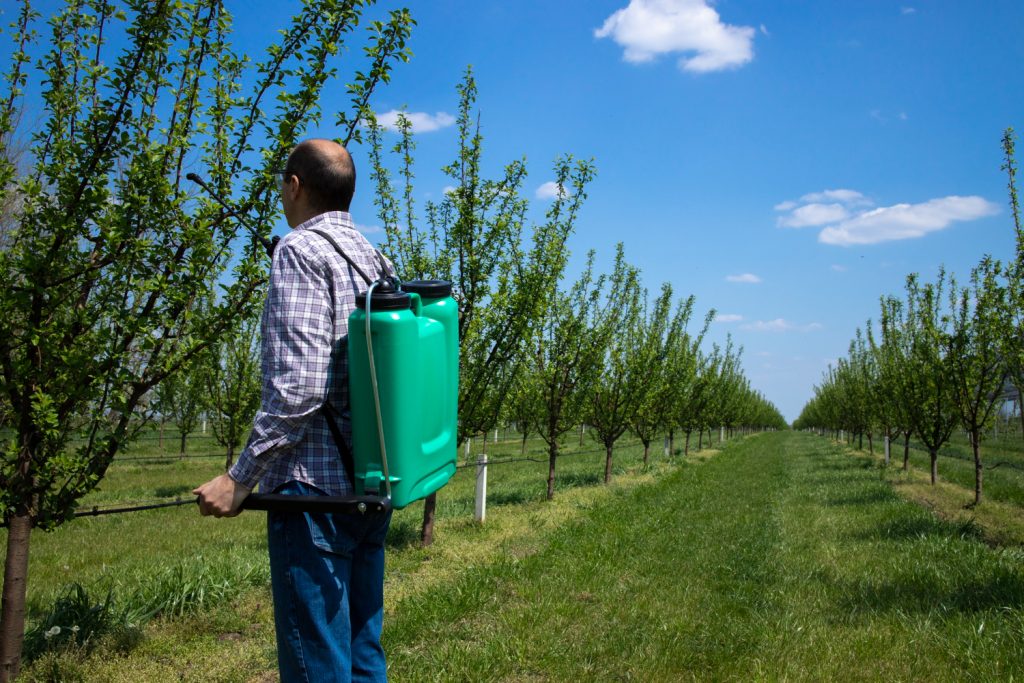
A new study published in the journal Science shows that pesticides used in farming are becoming more toxic to the environment around the world. This research found that even though countries have agreed to reduce pesticide risks by half by the year 2030, the real risk to plants and animals is increasing instead.
Pesticides are chemicals used to protect crops from insects, weeds, and diseases. While they help farmers grow food, they can also harm other living things like insects, soil organisms, fish, and birds if the chemicals enter the environment. Traditionally, scientists looked at how much pesticide was used. But this study used a new way to measure the total applied toxicity (TAT) — meaning not just how much pesticide is used but how harmful each chemical is to living things.
To do this, the researchers gathered global pesticide use data from many countries between 2013 and 2019. They combined this information with toxicity data from regulatory agencies so they could estimate how dangerous the pesticides are to eight different groups of organisms. This gave a clearer picture of the real environmental risk.
The results were worrying. The total toxicity from pesticides has gone up in many parts of the world. This rise is partly because more pesticides are being used as farming expands and partly because the active ingredients themselves have become more harmful. The study found that a small number of very toxic chemicals account for most of the harmful effects.
Crops such as fruit, vegetables, cereals, soybeans, rice, and corn make up most of the global pesticide toxicity. Countries with large agricultural sectors, like China, Brazil, the United States, and India, contribute the most to the increased toxicity. This shows that both what is grown and how pesticides are used matter for environmental health.
The study also looked at international goals. At the 2022 United Nations Biodiversity Conference (COP15), countries set a goal to cut pesticide risks by 50% by 2030. But based on current trends, nearly all countries are far from reaching this goal without major changes in farming and pesticide regulation.
Scientists say that reducing the use of the most toxic pesticides, switching to safer alternatives, and increasing organic farming are important steps for protecting biodiversity. They also stress the need for better global data on pesticide use so countries can track progress more effectively.

Editor of Daily 27.
Predoctoral researcher at the Department of Sociology in University of Barcelona.