

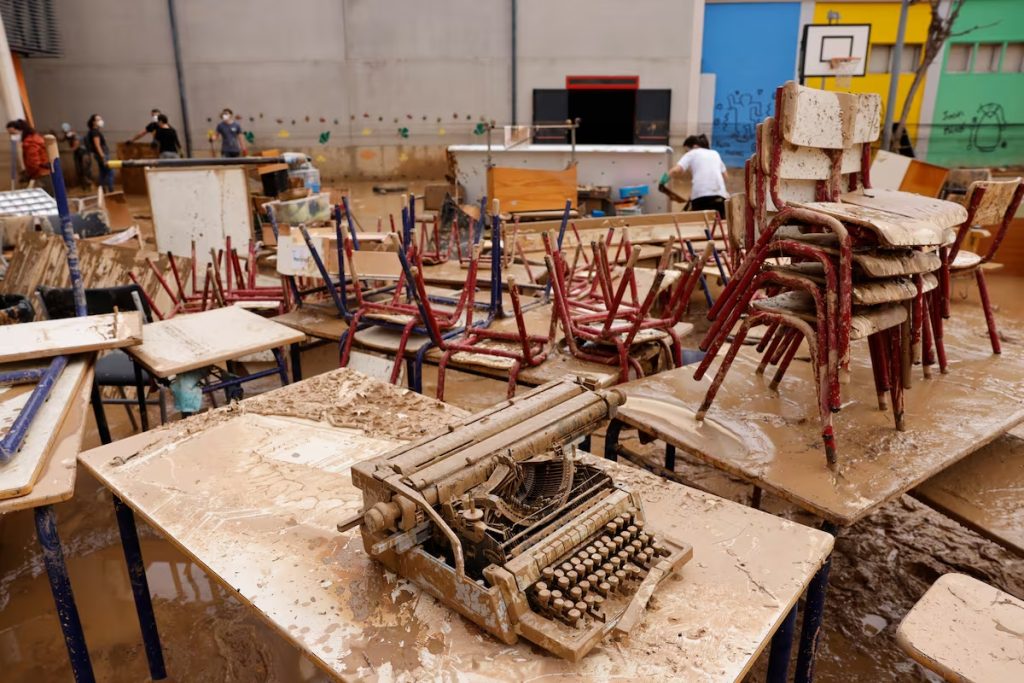
On 29 October 2024, Spain suffered the impact of an Isolated Depression at High Levels (DANA) that caused severe human and material damage. As observed in similar natural disasters, children were among the most affected, requiring sustained support and protection. While national and regional media focused on the political debate surrounding crisis management, often marked by confrontation between parties, some schools and communities were organizing their own responses. In these situations, it is essential to act based on scientific evidence.
These initiatives, led by citizens from a wide range of backgrounds, professions, and political beliefs, have demonstrated society’s ability to respond collectively and effectively beyond ideological divisions. Like shown in this article “Co-Creating Educational Action to Protect Children After DANA Floods in Spain”, published in the scientific journal Sustainability (MDPI), educational communities quickly became key spaces for providing that accompaniment. This study analysed the co-creation process of six actions developed jointly by researchers and teachers from 18 schools in the most affected areas of Valencia, using a communicative research methodology. These schools already had extensive experience implementing Successful Educational Actions, which allowed them to be better prepared and to continue developing them during the DANA.
The actions conducted during this time included mapping educational communities, planning dialogic gatherings, creating solidarity networks, promoting optimal learning environments, maintaining violence-free networks, and providing specific support to vulnerable groups. These experiences, positively assessed in global academic and social contexts, suggest that recovery after a disaster depends not only on technical or financial resources but also on the collective capacity for dialogue, organization, and solidarity.
In a time when ideological polarization often dominates public debate, the community response to the DANA in Valencia reminds us that cooperation and civic commitment remain powerful tools for rebuilding and strengthening democratic societies. Beyond political differences, collective action in the Dialogic Society continues to show that unity in diversity can be the most effective foundation for recovery.

Assistant Lecturer at the University of the Basque Country