

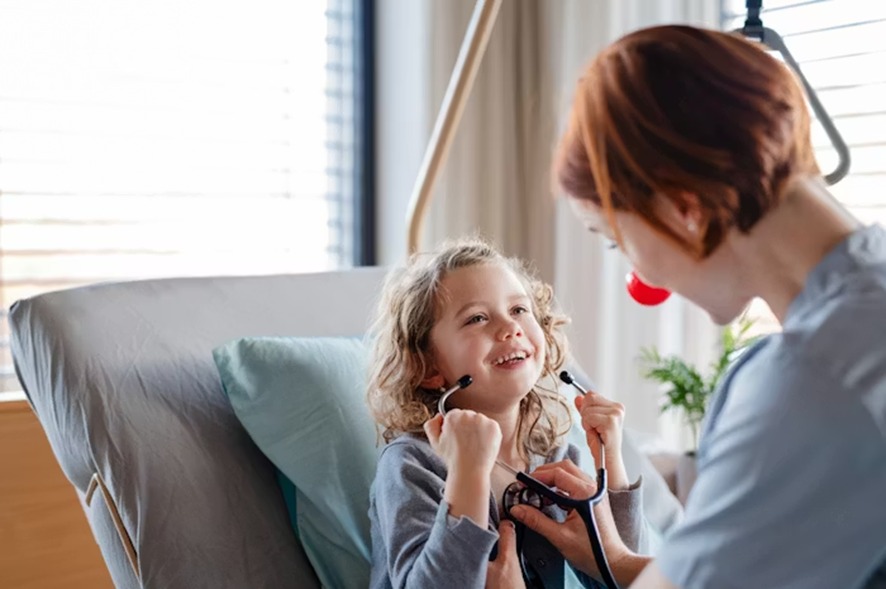
Every May 13, Spain observes the National Day of the Hospitalized Child, a reality that affects hundreds of thousands of children each year. Beyond its medical dimension, pediatric hospitalization can also influence emotional, educational, and social well-being.
Hospitalization often represents an abrupt disruption of daily life of children. School attendance is interrupted, friendships are physically distanced, and familiar routines and environments are temporarily suspended. Although medical advances have improved survival rates and the treatment of many pediatric conditions, there is a growing recognition that child health cannot be understood solely through a clinical lens.
Scientific evidence shows that pediatric hospitalization may involve emotional, behavioral, social, and academic effects that extend beyond the underlying medical condition. Research has documented anxiety, feelings of loss of control, social withdrawal, and emotional difficulties both during hospitalization and after discharge, particularly in prolonged or medically complex cases.
A growing body of scientific literature consistently shows that high-quality social relationships have a direct impact on health and well-being. In hospitalized children, maintaining these relationships becomes especially relevant, as admission often disrupts contact with school, peers, and everyday environments that support development. From this perspective, hospitalization can be understood as a potential disruption of developmental continuity. Interruptions in schooling may contribute not only to academic delay but also to social isolation, which is particularly significant during childhood and adolescence.
In this regard, organizations such as UNESCO and WHO emphasize the importance of ensuring continuity of learning, inclusion in education systems, and access to safe environments that support the well-being and development of children and adolescents, whenever their health condition allows it, including in contexts of illness or vulnerability. These principles align with broader international approaches that view education and social participation as essential components of child development.
From a public health and developmental perspective, providing opportunities for social interaction, educational continuity, and emotional support during hospital stays is not an accessory element of care, but part of an integrated, evidence-based approach to child well-being and recovery.

Postdoctoral Researcher (FPI - Ministry of Science, Innovation, and Universities) at the Department of Sociology, University of Barcelona.
Currently conducting a research stay at the Center for Research on Ending Violence (Rutgers University)