

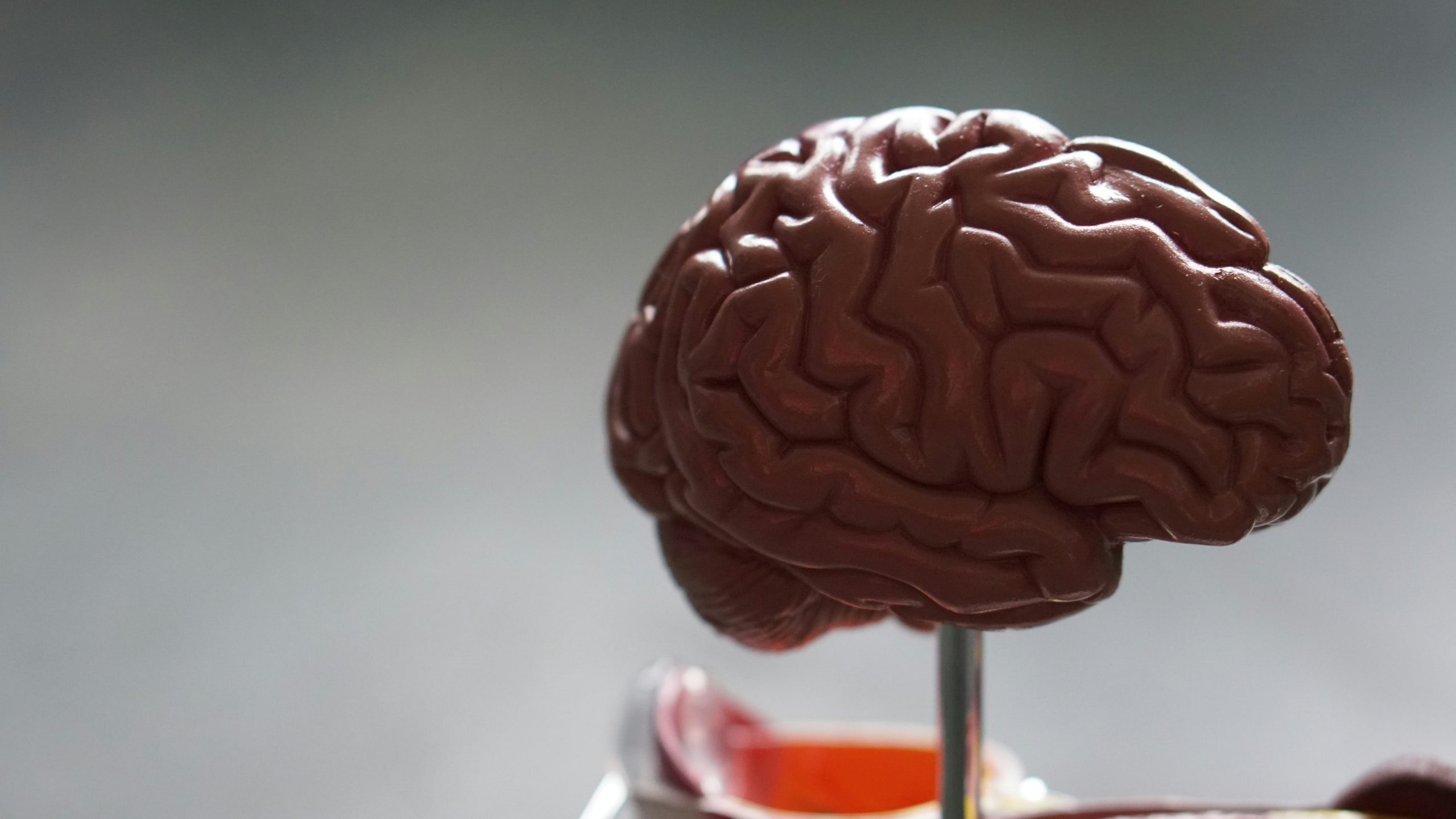
A major study published in Nature shows that the hippocampus — a key part of the brain known for memory — does more than just store memories. Scientists found that it also helps animals learn to predict good things that will happen in the future.
The hippocampus is a small area deep inside the brain. For many years, researchers have known that it helps animals and people remember places and past events. But this new research shows that it also plays an important role in learning about rewards and anticipating what will happen next.
In the study, researchers from McGill University and other institutions tracked the brain activity of mice while they learned a task where a reward was given. At first, neurons in the hippocampus became active when the mice reached the reward. But as the mice learned the task over days and weeks, the brain signals shifted. Gradually, neurons began firing earlier — before the reward was reached. This means the brain was predicting the reward before it happened, not just responding to it after the fact.
This change was not random. The study shows that the hippocampus reorganizes memory signals so the brain can expect good things to come. This process is called predictive coding — the brain learns patterns from experience and uses those patterns to guess what will happen next.
The researchers used advanced brain imaging techniques that let them watch the same neurons over weeks. This was important, because older methods could only record brain activity for short periods. By following neurons over time, the team could see how the brain changed as the mice learned.
This work changes how scientists think about learning. It suggests that the hippocampus does much more than remember the past. It helps the brain turn memories into predictions about the future. The findings could also help us better understand diseases like Alzheimer’s. People with Alzheimer’s often have trouble not just remembering, but also learning from experience and making decisions. If the hippocampus can no longer make good predictions, this might be one reason why learning and decision-making become harder as the disease begins.
In the future, this research could lead to new approaches to help people with memory and learning problems. For now, this study opens an exciting new window into how the brain learns and looks forward to what comes next.

Editor of Daily 27.
Predoctoral researcher at the Department of Sociology in University of Barcelona.