

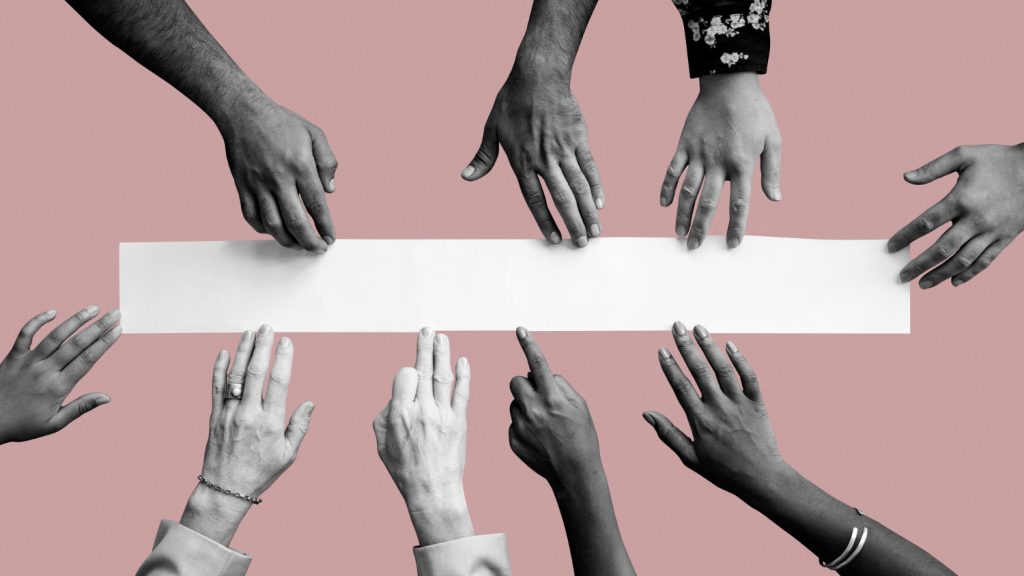
Every December 10, the world commemorates the adoption of the Universal Declaration of Human Rights (UDHR), proclaimed in Paris in 1948, a document that sets out fundamental rights “without distinction of any kind, such as race, color, sex, language, religion, political or other opinion, national or social origin, property, birth or other status” (UDHR, 1948, art. 2). This year, under the theme “Human Rights, Our Everyday Essentials,” the commemoration invites us to observe how human rights manifest in daily life—in gestures and moments we often take for granted: the food that reaches our table, the clean air we breathe, the freedom to express ourselves and be heard, among many other examples.
The United Nations proposes this year a vision of human rights as positive, essential, and achievable. They are positive because they not only protect but also promote well-being and allow for a fuller existence; essential because they constitute a common bond that transcends borders, identities, and beliefs; and achievable because they begin with small daily actions—such as respecting others, listening to those who are often ignored, or denouncing injustices—and are strengthened through collective action.
Far from belonging solely to institutions or governments, human rights are shared responsibilities of all citizens and are exercised every day, sustaining our coexistence and dignity. Keeping them present is fundamental, because when we recognize their importance, we can defend and actively promote them. Forgetting them or taking them for granted makes us more vulnerable to injustices and inequalities. Practicing and protecting these rights should be a daily act built by all of us, strengthening social cohesion, fostering inclusion, and ensuring more just, equitable, and humane societies—not only for ourselves, but also for those who are currently denied these rights or who may be at risk of losing them.

Adjunct Professor in Sociology at the University of Barcelona