

When I was little, in the small town of my roots, the first thing I did on those summer mornings when I woke up was run out to the terrace to see whether my neighbor and friend had hung her white handkerchief—sign that she was already up and I could go over to her house so we could start the day together. If there was no white handkerchief on her balcony, then I would hang mine to let her know I was ready. The front door of the house was never fully closed, neither literally nor figuratively. My grandmother’s friends visited daily, neighbors would pop in to ask for an ingredient they’d run out of, or simply to check that we were doing well.
Over the years, I’ve watched life shift toward something much more solitary, and it hasn’t happened by chance. There are no longer any white handkerchiefs on balconies, and doors have shut. Caring for our neighbors—choosing to dedicate our free time to helping others, to volunteering in the community—is sometimes criticized as “not knowing how to be alone,” being “workaholic,” or “letting the system take advantage of us by investing unpaid time.”
Pressures toward individuality tell us we must know how to “be alone,” and it’s even framed almost as a problem—even a mental health issue—if we don’t enjoy spending a weekend locked up at home. Rushing to the couch to watch Netflix in solitude is presented as the great solution, while dedicating time to the community is portrayed as compliance. Behind this discourse is a predatory form of capital that benefits from convincing us—under a progressive disguise—that volunteering is just another kind of exploitation. But giving in to these pressures is submitting to that same capital. Why do they want to sell us the idea that shutting ourselves indoors and binge-watching series is progressive? What interests are behind this?
I haven’t found scientific evidence showing that these practices improve our lives. In fact, what we do find is that one of the most pervasive problems today is a deep sense of loneliness. Not long ago, news broke of a person who had remained undiscovered for fifteen years after their death.
The longitudinal study that has been conducted for more than 85 years by Harvard University identifies the social relationships people choose as a key factor in the length and quality of their lives. Choosing people with whom to share moments of beauty, hope, and meaning improves our lives—it has a measurable impact on living longer and better.
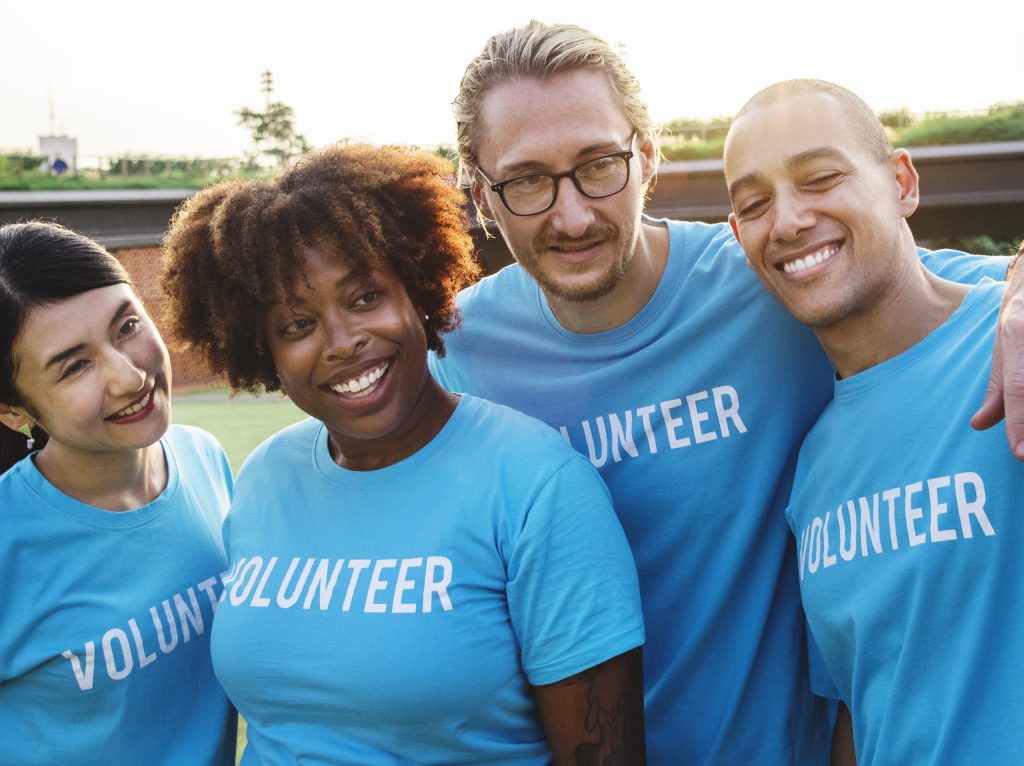
In every community, in every neighborhood, there are spaces where we can participate alongside our neighbors, get to know them, and decide how we might want to collaborate. When acts of volunteering are born from a sense of purpose, are cared for so they are beautiful, and cultivate our best relationships, they generate hopes that make us feel better. The moment I enjoy most every week is when I’m in the literacy classes, and I wouldn’t trade it for anything in the world—not for staying home alone watching one of those “must-see” shows. Let’s not be fooled: participating in the community as volunteers is a right, a privilege we have and can choose to exercise if we wish.

Predoctoral researcher at the University of Barcelona