

Some risks run in families. Blood clots, what doctors call venous thromboembolism (VTE), are one of them. They can appear as deep vein thrombosis in the leg or pulmonary embolism in the lungs, and they remain a major cause of illness and death worldwide. But a study published last year in JACC: Advances suggests that even if your genes put you at higher risk, what you eat may still tip the balance.
The Study
Researchers analyzed data from more than 500,000 participants in the UK Biobank, tracked for a median of 12 years. They calculated each person’s polygenic risk score for VTE (an estimate of genetic susceptibility) and a plant-based diet index that scored eating habits. Crucially, the diet index separated healthy plant foods (whole grains, fruits, vegetables, nuts, legumes) from less healthy ones like refined grains, sweets, and sugary drinks.
What They Found
People who followed a healthy plant-based diet had about a 25% lower risk of developing VTE. This protective effect was consistent even in people with a high genetic predisposition, and even after adjusting for other factors such as age, sex, BMI, smoking, and physical activity. The benefit appeared across all genetic risk levels.
In contrast, diets dominated by less healthy plant foods showed no significant association with clot risk, which means that no protective effect was found. Thus, such a dietary distinction matters: being “plant-based” doesn’t automatically mean better for your health; what plants you eat is just as important.
The researchers also found that diet and genetics acted independently. Having a healthy plant-based diet lowered VTE risk, whether a person’s DNA indicated high or low susceptibility.
Why It Matters
VTE is preventable but dangerous, leading to hospitalizations and long-term complications. The study suggests that dietary choices may offer a practical prevention strategy at the population level, especially when genetics can’t be changed. For individuals at high genetic risk, it points toward the role of diet in precision medicine, using lifestyle interventions to counter inherited vulnerabilities.
Limitations
As an observational study, the findings can’t prove causality. As well, Diet was self-reported, which may be imperfect, and most participants were of European ancestry, limiting generalizability. Still, the large scale and careful adjustment for confounders make the results robust.
The Takeaway
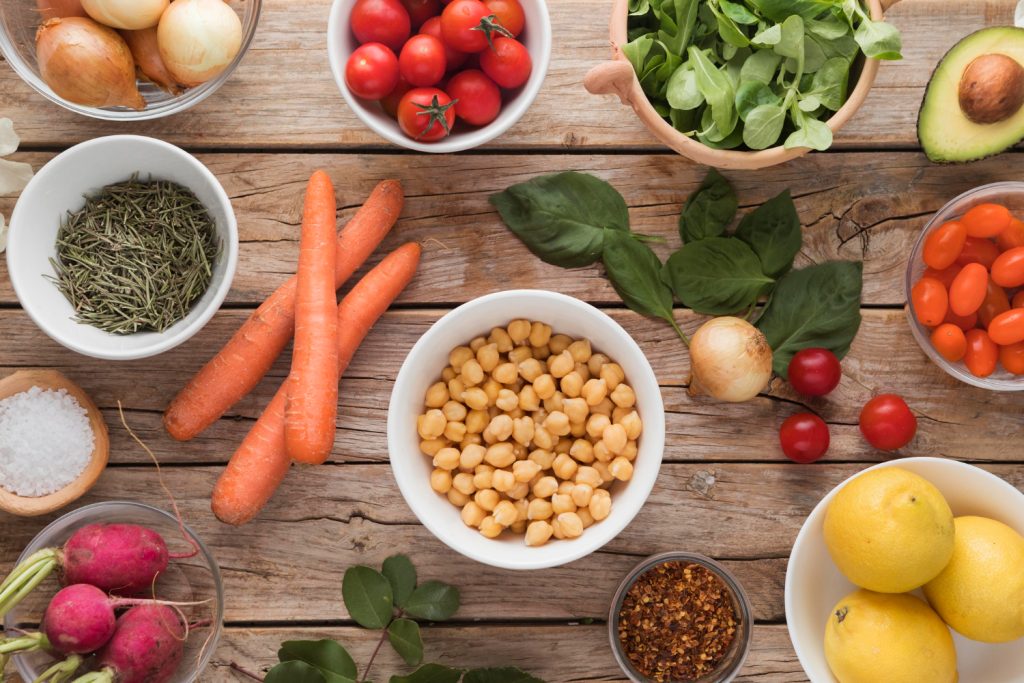
Genes set the stage, but they don’t dictate the story. This study shows that a healthy plant-based diet (fruits, vegetables, whole grains, legumes, nuts) was linked to a one-quarter lower risk of blood clots, even for those with a strong genetic predisposition.
When it comes to VTE, what’s on your plate may be one of the most powerful tools you have.
Reference
- Guo, J., He, Y. Y., Suo, X. Y., Liu, Y., Xiao, L. L., Zhou, Y. J., … & Zhu, Y. J. (2024). Healthy plant-based diet, genetic predisposition, and the risk of incident venous thromboembolism. JACC: Advances, 3(12_Part_2), 101318. https://doi.org/10.1016/j.jacadv.2024.101318

Lecturer at the Sociology Department, University of Barcelona