

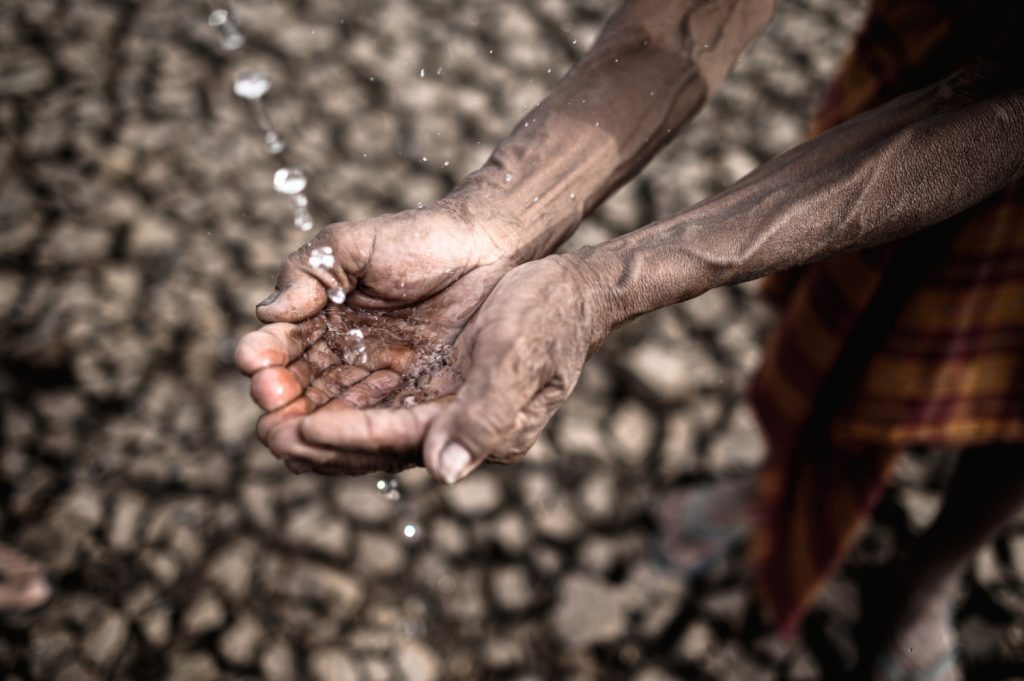
Amid growing resource scarcity, environmental change and increasing unpredictability, headlines about looming “water wars” make for compelling clickbait. However, the idea of water scarcity as a direct cause of instability is problematic. While water scarcity can certainly contribute to instability, complex contextual factors—life on the ground—serve as critical intermediaries that essentially determine if conflict over water actually occurs despite what the headlines may declare.
Water shortages don’t just threaten livelihoods and societies—they can reshape them. Water challenges can deepen existing inequalities or spark new tensions. But water stress can also become a turning point to better quality of life. When scarcity becomes too visible to ignore, it can push societies to improve how water is shared and managed. That’s often when investments in infrastructure, smarter allocation rules, innovative conservation efforts, and better data systems take shape. In short, the same factors that define how communities experience water scarcity—governance, institutions, social ties, and economic incentives—can also become the very tools for building a more cooperative and sustainable water future.
Cape Town’s Day Zero experience offers a vivid example of how severe water stress can drive constructive change rather than collapse. As the city’s reservoirs fell and taps came close to being shut off, officials and residents rapidly overhauled how water was used, monitored, and planned for—tightening demand, fixing leaks, and promoting conservation as a social norm rather than a niche concern. The crisis also spurred longer-term reforms, from diversifying water sources and investing in new infrastructure to strengthening drought planning and data systems. In this way, Cape Town turned a near-disaster into a catalyst for more resilient water management, illustrating how moments of acute scarcity can open space for structural improvements instead of inevitable conflict.
On this World Water Day, we want to emphasize that water stress does not have to drive chaos and instability; it can instead become the tie that binds communities and countries together. Scarcity does not create a straight highway to conflict; rather, it presents a fork in the road, where societies can choose between short-sighted competition or pathways of innovation, cooperation, and shared stewardship that foster more sustainable and resilient water management.

PhD – Human-Environmental Analyst, The Global Water Security Center, University of Alabama.

PhD – Human-Environmental Analyst, The Global Water Security Center, University of Alabama

MES, MSc – Human-Environmental Analyst, The Global Water Security Center, University of Alabama