

Lunar New Year
Unlike Christmas, which is widely celebrated in Western countries, the most important traditional festival for Chinese people is the Chinese New Year, also known as the Spring Festival. Because it follows the lunar calendar, the date of the Spring Festival changes every year. In 2026, the first day of the Lunar New Year falls on February 17.
The Spring Festival has a history of thousands of years. In ancient China, people held sacrificial ceremonies at the beginning of the lunar year to pray for abundant harvests and a smooth year ahead. Over time, the religious aspects gradually diminished, and the festival evolved into a grand cultural celebration enjoyed by all kinds of people.
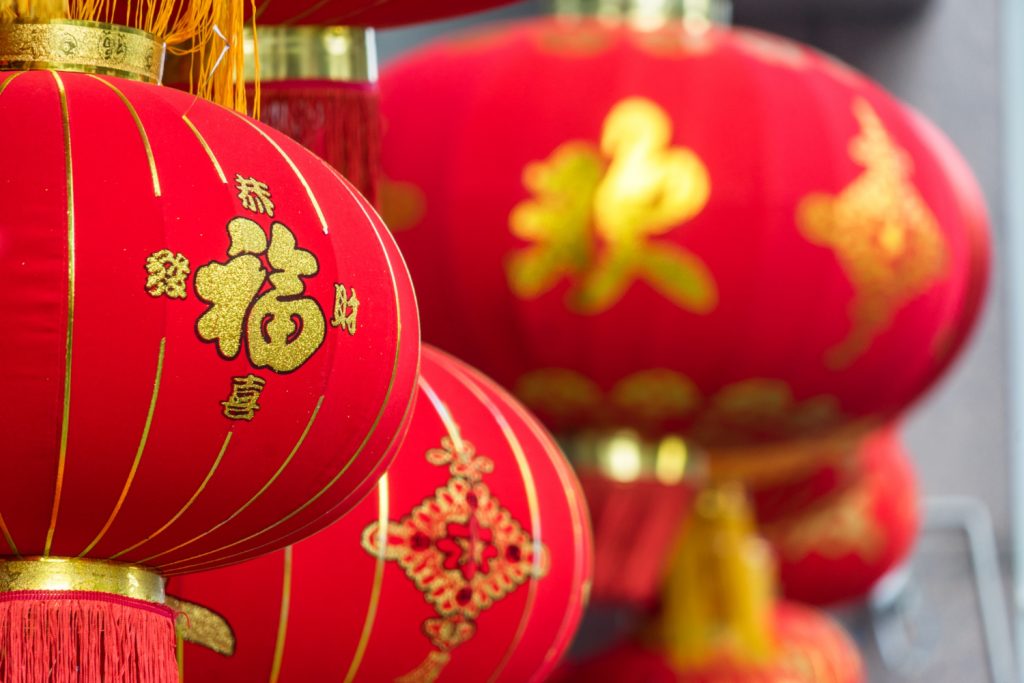
Today, celebrating the Chinese New Year is primarily a family reunion. Regardless of where they are—within China or abroad—people travel back to their hometowns to reunite with loved ones, enjoy traditional meals, specially, dumplings. Before the holiday begins, it is customary to thoroughly clean the house, decorate with red couplets and paper cutouts of the character “福” (meaning “fortune”) to invite good fortune, and set off fireworks and firecrackers. On New Year’s Eve, families stay up together, chatting and sharing a festive dinner while waiting for the arrival of midnight. Besides, one of the most anticipated traditions for children is receiving red envelopes from elders, which contain money that symbolizes good luck.
The Chinese zodiac is also closely linked to the New Year. According to traditional folklore, in a twelve‐year cycle, each year corresponds to one of the following animals: Rat, Ox, Tiger, Rabbit, Dragon, Snake, Horse, Goat, Monkey, Rooster, Dog, and Pig. Hence, the year 2026 is the Year of the Horse. Consequently, streets and markets across China are filled with horse-themed decorations and products. Similar to Western zodiac signs, each animal is associated with symbolic traits. For example, the Year of the Horse signifies strength, speed, ambition, and freedom, attributes that Chinese people often use as blessings for the new year.
In general, the Chinese New Year represents reunion, joy, and togetherness. It reflects core values deeply rooted in Chinese culture: family, unity, and emotional bonds. For many, the way back home, and the moment they reunite with their families are what truly embody the meaning of the New Year.

Currently pursuing a doctorate in the sociology program at the University of Barcelona. His research focuses on Chinese migration and school discrimination against the Chinese community in Mexico.