

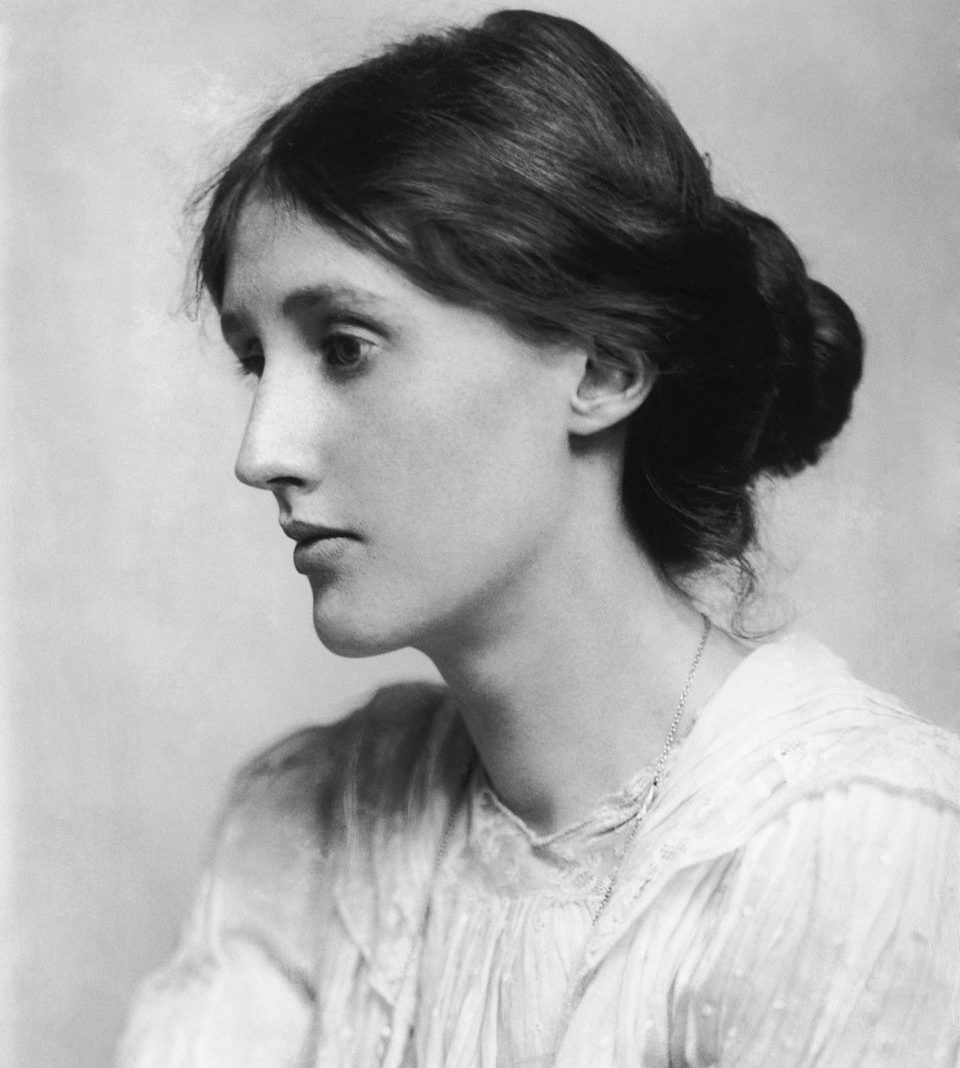
In January 1925, Virginia Woolf completed Mrs Dalloway, which was published a few months later. Many critics consider it her finest novel, although others prefer To the Lighthouse, The Waves, or A Room of One’s Own, the latter being the work that has had the greatest influence on feminism and on the lives of women.
This centenary offers an ideal opportunity for dialogue and reflection on the conditions and interactions through which Virginia Woolf became such an outstanding writer. One context that can clearly be recreated—and indeed is being recreated in many different settings—is her deep engagement with and appreciation of the great literary classics.
In that same year, 1925, while commenting on Homer, she wrote: “The Greeks excelled us in one thing: they expressed the emotions of the body.”Of Shakespeare, she remarked very positively that he “had no ego.” She considered Jane Austen “the most perfect artist among women, the writer whose books are all of a piece.” And of Proust she wrote: “Proust so stimulates and completes us that for a time we see everything through his eyes.”
Woolf learned not only from the books she admired, but also from works she did not particularly like, yet recognised as profoundly important. The most notable example is Ulysses by James Joyce and its debatable, sometimes “counter-influence,” on Mrs Dalloway. Ulysses was published in 1922 and was read by Woolf before. Although she did not enjoy it, the two novels share clear structural similarities.
Joyce’s novel portrays the inner dialogue of an ordinary man over the course of a single day in Dublin (its final chapter famously consists of the interior monologue of his wife; some even recommend beginning the book at the end). Woolf’s novel likewise presents the inner world of a woman of the upper bourgeoisie during a single day in London. Woolf often found Ulysses to be in poor taste, even coarse, and she preferred a form of narrative that was elegant both in subject matter and in language.
Another context—more difficult, though not impossible, to recreate in certain environments—is Woolf’s ongoing dialogue with figures from literature, science, politics, and other fields, such as Keynes or Russell. The Bloomsbury Group, to which these figures belonged or with which they were associated, can only be partially and differently recreated today, as is already being done in a growing number of schools. One approach is the creation of dialogic environments centred on the greatest achievements of humanity, thereby fostering spaces increasingly inspired by the finest cultural and scientific works. Another resource that is becoming more common is the use of artificial intelligence to recreate great historical figures, enabling them to engage directly in dialogue with children and young people.

1st with the most total citations of all categories, among those authors including in Google Scholar "Gender Violence" as one of them.