
It is estimated that 11.2 billion tonnes of solid waste are collected worldwide each year, and the decomposition of the organic fraction of this waste contributes nearly 5% of global greenhouse gas emissions [1]. According to UNEP (PNUMA), the concept of waste refers to any material or substance, in any state (solid, liquid, gaseous, hazardous or non-hazardous, organic or inorganic). The business volume is attractive because it is constant, particularly for the production of biofertilizers.
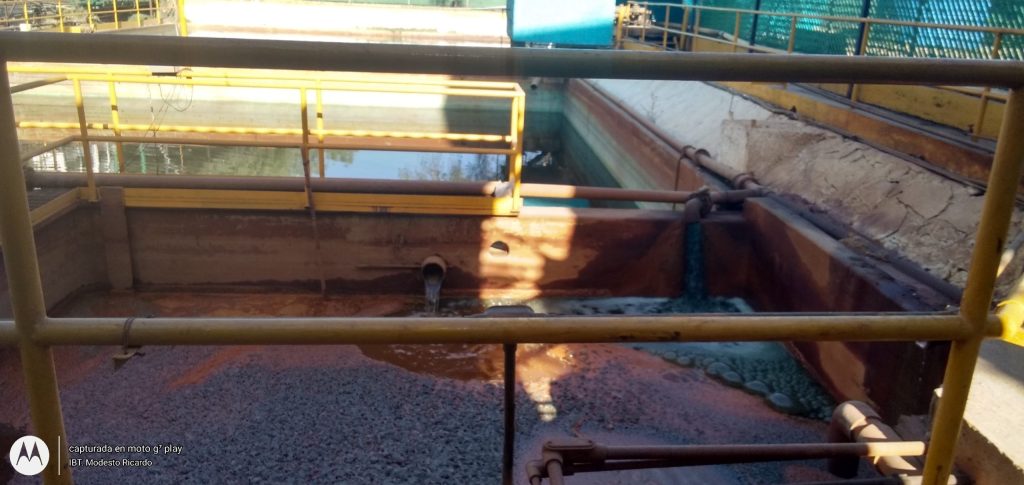
In Mexico, sanitary landfills became widespread in the 1990s as a necessary modernization compared to open dumps. In Spain, that same decade marked a boom in landfills that today directly clash with the strict directives of the European Union. Both territories share a critical reality: the current pollution crisis represents an opportunity to promote scientific research projects in environmental biotechnology. Another option for entrepreneurship is having prior experience, which is considered ideal [2]. For decades, the dominant linear model has sent large volumes of waste to landfills, generating critical global environmental liabilities [3]. The transfer of biotechnologies is essential to accelerate the bioeconomy, transforming complex waste—such as sludge from the textile and steel industries—by avoiding odors and emissions [4], or addressing soil degradation through functional solutions with measurable economic and environmental impact [5].
From BIOAMA, our visibility and presence in Euskadi and Spain have been the definitive step to scale biotechnological projects to an industrial and international level, integrating bioeconomy, sustainability, and profitability by turning an environmental cost into a renewable asset [6].
The excessive accumulation of waste—from industrial sludge to organic by-products from the paper sector—has exceeded the regenerative capacity of our ecosystems, altering vital biogeochemical cycles, contaminating aquifers, and degrading soil health [7]. In this context, the startup BIOAMA, by 2026, positions itself as a trusted and international benchmark in waste valorization, enabling the management of industrial waste, including plastics, to transition from a “cost and final disposal” model to a regenerative valorization cycle through optimized utilization, ranging from experimental testing to scale-up via pilot trials [8].
References
| [1] | «UNEP,» Gestión de residuos sólidos PNUMA, p. 1, 2022. |
| [2] | J. Zempoalteca, «Produce ingeniero de la UPT un abono orgánico,» Sol de Tlaxcala, pp. 1-2, 28 noviembre 2021. |
| [3] | Santander, «Economía lineal y circular: ¿a qué se refieren cada uno de estos términos y cuáles son sus diferencias?,» Santander, p. 2, 2024. |
| [4] | T. Hernández, «Los malos olores no vienen de Carolina Performance,» Sol de Guanajuato, pp. 1-2, 9 Mayo 2019. |
| [5] | C. Rodríguez, «Agricultura acaba con los suelos de Tlaxcala,» Sol de Tlaxcala, pp. 1-2, 07 Abril 2022. |
| [6] | Dominion, «Dominion clausura con éxito la segunda edición de BQUO, su programa de aceleración de proyectos y talento emprendedor,» Dominion Global, p. 1, 2025. |
| [7] | M. R. C. González, «RESPUESTA DEL TRATAMIENTO SUCESIVO PARA LA BIORREMEDIACIÓN EN LODOS RESIDUALES DE LA INDUSTRIA DEL ACERO, COMO ALTERNATIVAS PARA SU REVALORACIÓN,» Researchgate, p. 1, 2025. |
| [8] | M. R. C. González, «Bioa²ma: Plásticos imposibles: cómo la biotecnología transforma los residuos que nadie quiere,» Centro Español de Plásticos CEP Inform Revista Digital, nº 424, p. 1.2, 2025. |

Biotechnology Engineer, Mexican, Founder & CSO of BIOA²MA, a startup focused on waste valorization through biotechnology and circular bioeconomy.